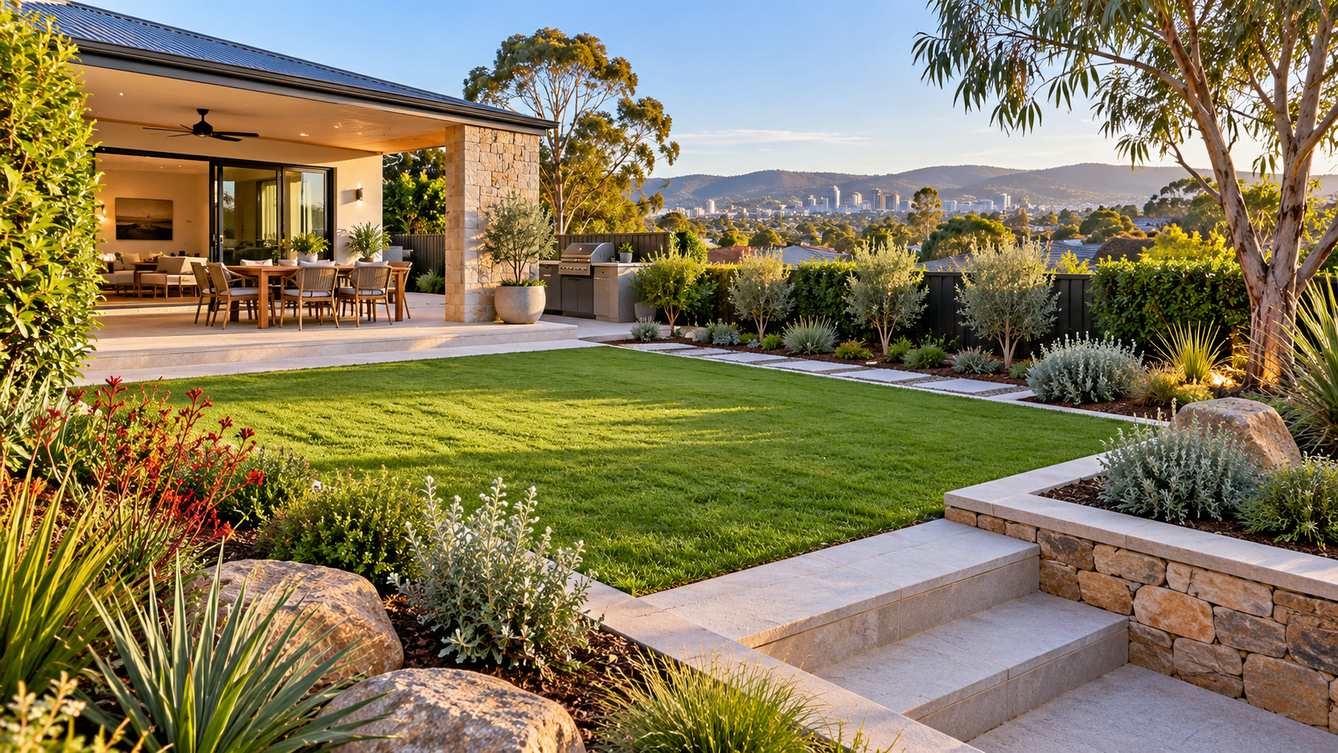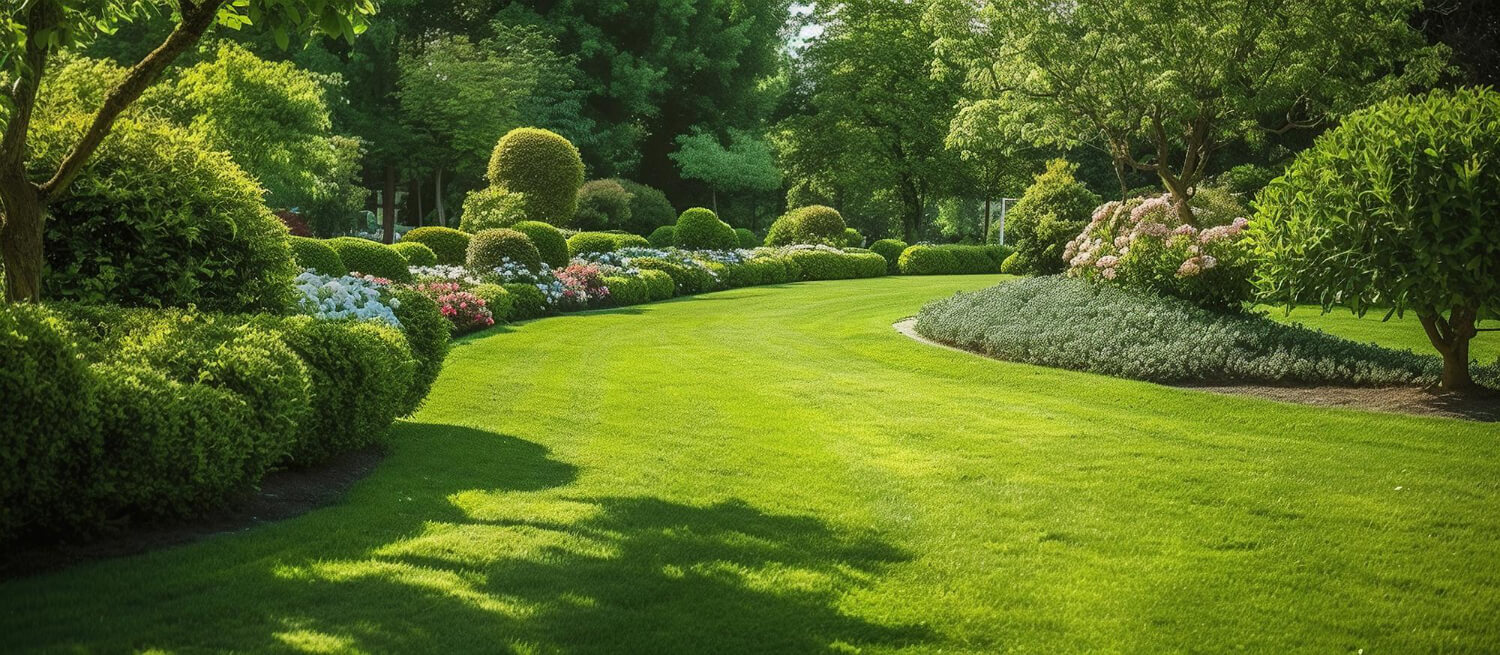
Thinking about transforming your backyard but not sure where to start? You’re not alone.
Landscaping projects in Adelaide are booming, with Australia’s outdoor living sector projected to become the world’s fastest-growing landscaping market globally, expanding at 8.5% annually through 2035.
If you live in the Adelaide Hills, you know every property comes with its own challenges. Sloping blocks, varying soil conditions, and site access can affect your project’s design, cost, and timeline. And starting without a clear plan can lead to unexpected expenses and delays.
This guide covers landscaping costs in Adelaide, the key stages of the process, and realistic project timelines. Whether you’re planning a complete landscape transformation or a simple garden refresh, understanding what to expect before work begins can help you make informed decisions.
How Much Does Landscaping Cost in Adelaide?
Most residential landscaping project costs vary considerably depending on scope. Complete backyard transformations generally sit toward the higher end of the investment range, particularly on challenging Adelaide Hills sites.
If you’re landscaping in the Adelaide Hills, expect costs to sit toward the higher end because of the added complexity. Steep slopes, rocky or heavy clay ground, restricted machine access, and retaining requirements can increase your budget, with retaining becoming the single largest line item.
You should also account for the hidden costs that come with sloping sites, including spoil removal from cut-and-fill work, geotechnical soil testing, drainage upgrades, and council approval fees where required.
Labour costs in South Australia can vary depending on the operator’s experience, insurance requirements, machinery used, and the complexity of the site. Requesting a detailed, itemised quote early gives you a clear understanding of the costs involved and helps you avoid unexpected expenses once earthworks begin.
7 Steps to Plan a Landscaping Project
No two landscaping projects in Adelaide are identical, but the process behind a successful build remains the same. Understanding what happens at each stage helps you plan ahead, coordinate the work more effectively, and make informed decisions from the first consultation through to the finishing touches.
Step 1: Assess Your Site and Define Your Priorities
Start by understanding what your property can realistically support. Assess the slope, drainage patterns, soil conditions, sun and wind exposure, existing vegetation, and access for machinery.
This is especially important for Adelaide Hills landscaping, where steep terrain and restricted access can shape the design and construction process.
Once you’ve evaluated the site, define how you want to use the space. Separate essential features, such as retaining walls and drainage improvements, from lifestyle additions like outdoor entertaining areas or water features. Setting clear priorities early helps you make better design and budgeting decisions.
Step 2: Establish a Budget That Matches Your Vision
Build your budget around the work that delivers the greatest long-term value. Prioritise structural elements, such as drainage, retaining walls, and site preparation, as these are far more expensive to change later.
Allocate the remaining budget to finishes and lifestyle features after you are done with essentials. Researching how much landscaping costs in Adelaide gives you a realistic benchmark, while a 10–15% contingency helps you stay prepared for unexpected site conditions and construction costs.
Step 3: Develop a Practical Landscape Design
Turn your ideas into a detailed landscape plan before construction begins. Think about how you’ll move through the space, where drainage will go, which materials suit your property, and how planting areas will evolve over time.
As you refine the design, simple principles like the rule of three in landscaping, which involves grouping plants, pots, or features in odd numbers, can create a more natural, balanced look. Above all, make sure every design choice supports how you want to use the space.
Step 4: Confirm Approvals and Finalise Construction Plans
Before construction begins, confirm whether your project requires council approval, engineering documentation, or permits. This is particularly important if you’re building retaining walls, carrying out significant earthworks, or altering drainage.
Finalising approvals, site levels, materials, and construction details before work starts minimises delays, avoids costly design changes, and keeps the project moving smoothly.
Step 5: Complete the Groundworks First
A landscape is only as reliable as the preparation beneath it. Begin construction by addressing the technical requirements of the site, including earthworks, excavation, drainage, retaining, and underground services.
Completing these structural works first creates a stable base for everything that follows and is one of the most crucial landscaping project steps for avoiding costly rework later.
Step 6: Install the Hard Landscaping
Hard landscaping is where the layout of your outdoor space begins to take shape. This includes the permanent features that define how you move through and use the area, such as driveways, pathways, paving, decks, alfresco areas, steps, edging, fencing, and retaining finishes.
Installing these elements before turf and planting allows for accurate levels, cleaner finishes, and easier access during construction. Once the hard surfaces are complete, the remaining landscaping work can be completed without disrupting the finished areas.
Step 7: Complete the Soft Landscaping and Final Touches
Finish by installing irrigation, preparing garden beds, laying turf, planting trees and shrubs, and applying decorative mulch. This is the stage where your vision starts to come to life, bringing together all the structural work finished earlier.
Completing the soft landscaping last protects newly installed plants and turf from construction damage, makes sure every element is installed under the right conditions, and creates a cohesive outdoor space that’s ready to be enjoyed.
How Long Does a Landscaping Project Take in Adelaide?
Landscaping timelines can range from a few weeks for smaller upgrades to around 2 to 3 months for a complete landscape transformation. Larger projects involving complex earthworks, retaining walls, or council approvals may take longer depending on the scope and site conditions.
The build phase usually progresses in stages, with each part of the landscape carried out in the right order. Structural work such as earthworks and retaining walls comes first, followed by hard surfaces like paving and driveways, before finishing with turf and planting.
In the Adelaide Hills, factors such as rainfall, soil conditions, and seasonal changes can also affect the timing and efficiency of construction.
Hills-Specific Factors That Affect Cost and Difficulty
Adelaide Hills landscaping requires more detailed planning than a standard suburban project. The natural characteristics of your property can affect everything from construction methods to the resources needed to achieve a functional outdoor space.
Some of the key factors that can impact your landscaping project include:
- Sloping terrain: Steep blocks often require cut-and-fill earthworks, retaining walls, and careful level management to create practical outdoor areas.
- Soil conditions: Heavy clay, rocky ground, or poor soil quality can slow excavation, increase preparation work, and add to removal costs.
- Site access: Narrow driveways, steep entrances, or tree-lined areas can limit machinery access and increase labour requirements.
- Drainage requirements: Managing water flow is essential on sloping properties to protect retaining walls, paving, and garden areas from long-term damage.
- Bushfire considerations: Properties in bushfire-prone areas may require specific materials, plant selections, and design approaches to meet safety requirements.
Working with a landscaper who understands these local conditions helps you plan realistically, avoid costly surprises, and create an outdoor space that works for your property and lifestyle.
Choosing Driveways, Paving and Materials for the Adelaide Climate
Choosing the right materials is one of the core parts of any landscaping project in Adelaide. The decision between pavers and concrete for your driveway comes down to factors like weather, cost, maintenance, drainage, and overall appearance.
Retaining wall materials should suit the height and load requirements of your site, with effective drainage installed behind them to prevent future issues.
Plant selection is just as important. Choose drought-tolerant, climate-appropriate plants and durable turf varieties that thrive in Adelaide’s conditions. Finish with materials that complement your home’s architecture and the surrounding Hills landscape for a cohesive and timeless feel.
Frequently Asked Questions
Start Your Adelaide Hills Landscaping Project the Right Way
A successful landscape depends on more than quality materials and good design. It’s the planning, site preparation, and construction decisions behind the scenes that determine how well your outdoor space performs over time, especially on the challenging terrain of the Adelaide Hills.
At Leeman Earthworks, we bring practical experience to every landscaping project in Adelaide. Our team understands how to manage sloping sites, drainage, retaining walls, excavation, and access challenges without losing sight of the finished result.
By considering every stage of the build from the outset, we create landscapes that are functional, durable, and personalised to the way you want to use your property. When you’re ready to turn your plans into a well-executed outdoor space, we’re here to help make it happen.