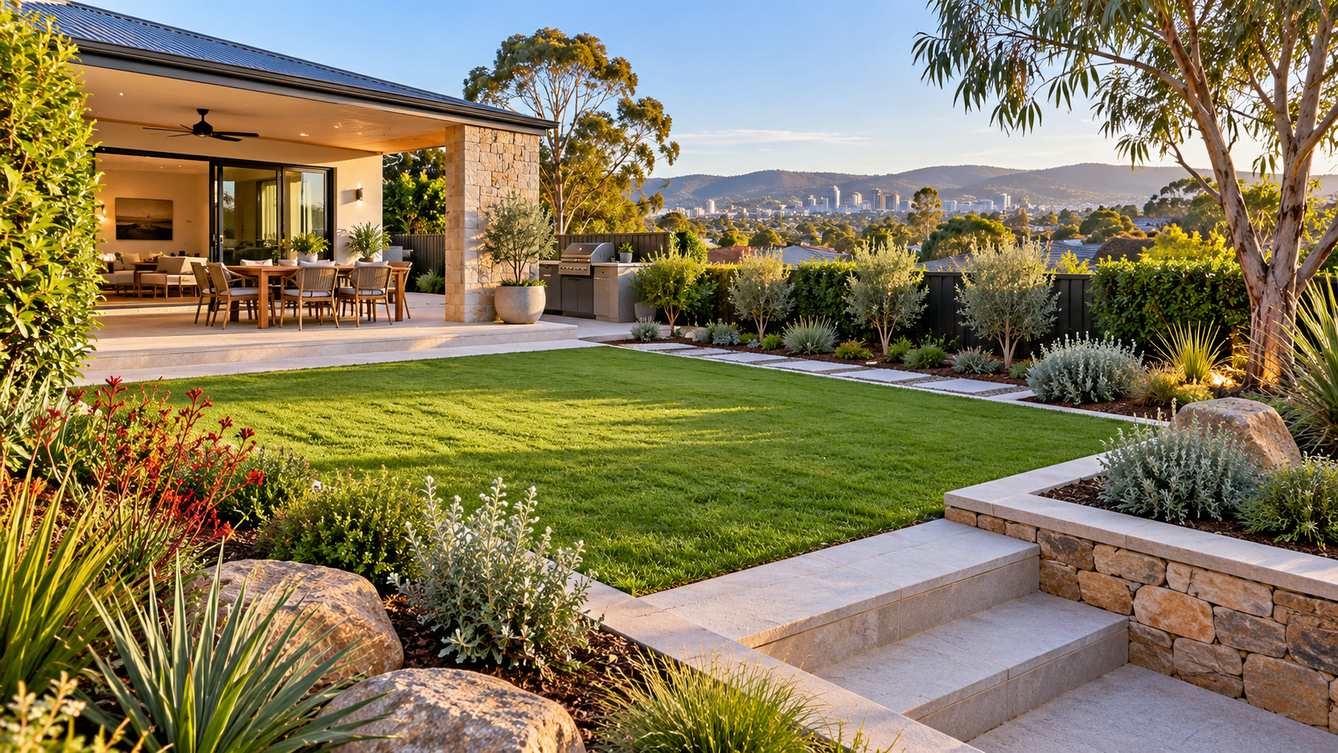
In 2026, according to typical market standards, landscaping cost in Adelaide can range from a few thousand dollars for a garden refresh to $50,000 or more for a complete backyard transformation. However, the final figure depends on what you are building, the materials selected, site conditions, access, and the amount of preparation involved.
Landscaping prices may also shift from year to year as labour, materials, equipment, transport and construction costs change. This blog uses current 2026 Adelaide market estimates to give homeowners and property owners like you a practical starting point before requesting quotes.
What Drives Landscaping Cost
The landscaping cost of a project depends on several key factors. Knowing what influences the price early on can help you compare quotes accurately and reduce the risk of unexpected costs once work starts.
Scope and design complexity
A basic lawn with a few garden beds falls at the lower end of the price range. Add retaining walls, water features, custom paving or outdoor lighting, and costs can rise quickly. Each additional feature requires more labour, materials and planning. As the design becomes more detailed, the overall project price increases.
Materials and finish quality
Material selection can significantly influence the final price.
- Basic concrete or standard turf can help keep costs lower.
- Natural stone, exposed aggregate and premium pavers come at a higher price.
- Feature timber, custom steelwork and imported finishes are generally the most expensive options.
Quality finishes can also offer better value over time. Durable materials are less likely to need frequent repairs or replacement, so paying more upfront may help reduce maintenance costs in the years ahead.
Pro Tip: The South Australian Government recommends drought-resistant plants, mulch and efficient watering methods such as drip irrigation, which can help reduce outdoor water use and ongoing garden costs.
Site access and terrain
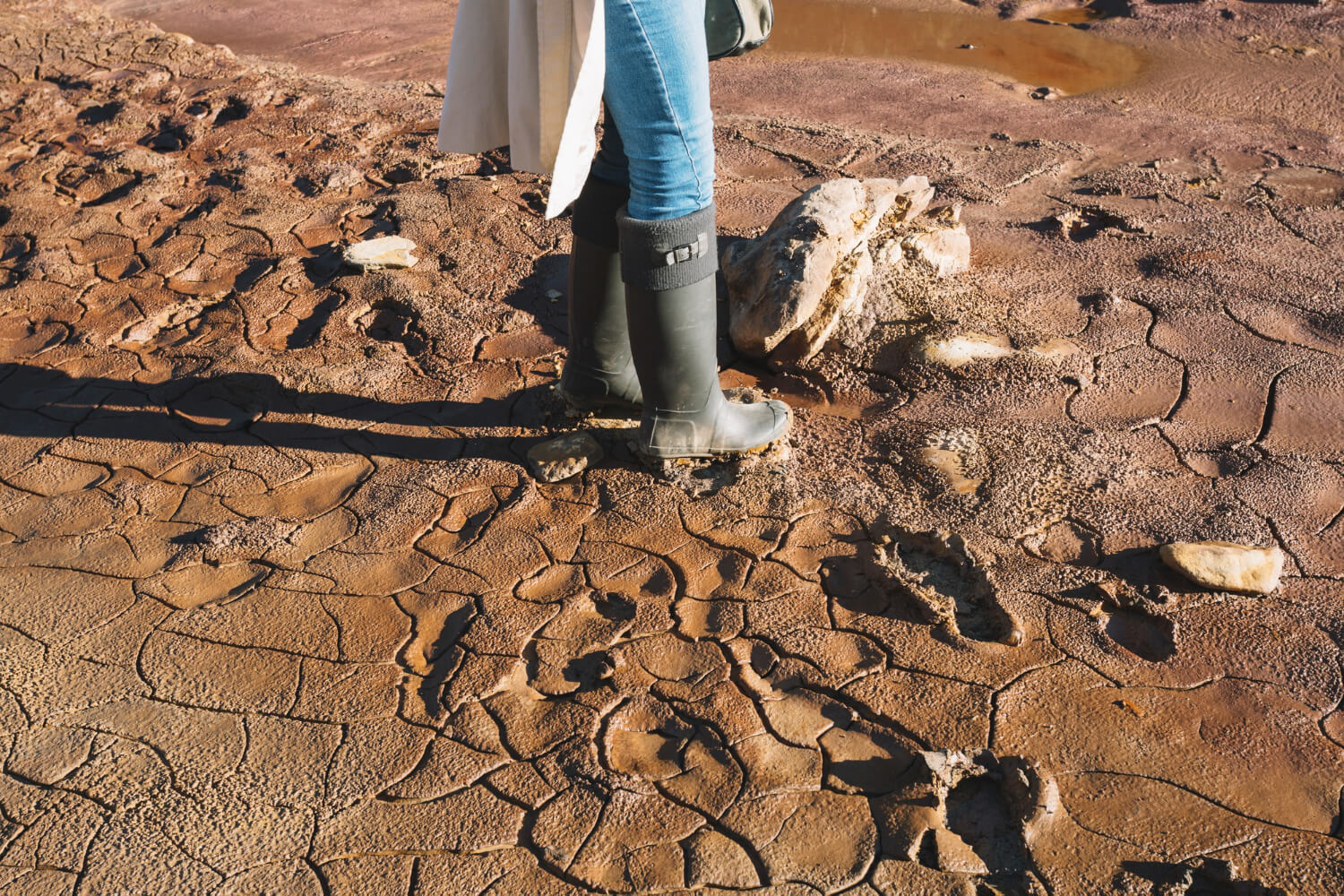
Site conditions can have a bigger impact on labour costs than expected. Sloping blocks, narrow side access and heavy clay soil can make landscaping slower. When machinery cannot reach the work area, workers may need to move soil and materials manually, adding extra labour hours. Rock, tree roots and drainage issues can also increase excavation and site preparation costs.
Typical Price Ranges by Project (2026)
Please note that the following figures are indicative 2026 Adelaide market ranges. They are useful for budgeting, but they are not quotes for a specific property.
Small Garden and Paving Jobs
A planting-led garden makeover in Adelaide can range from approximately $2,300 to $11,500 per project, while a standard paved entertaining area can sit around $4,000 to $17,300 per project.
At the lower end, the work may involve straightforward planting, mulch, turf repair or basic paving with good site access. Higher-cost projects can involve excavation, substantial base preparation, premium materials, drainage or more extensive areas.
For specific landscaping elements, current Adelaide estimates place natural turf at around $14–$37 per m² and paving at approximately $55–$145 per m².
Retaining Walls and Driveways
A standard residential retaining wall in Adelaide can cost roughly $2,300 to $13,800 per project, depending on its size, material, height, access and engineering requirements. A 10-metre wall around one metre high is estimated at approximately $2,300–$6,450.
Driveways are generally priced by area and material. Current Adelaide estimates put concrete driveways at around $65–$180 per m². A 40 m² driveway would therefore represent roughly $2,600–$7,200 before any unusual site preparation or additional features.
Retaining walls and driveways can move towards the higher end when excavation, drainage, difficult ground conditions, restricted access or premium finishes are involved.
Full Backyard Transformations
A complete Adelaide backyard landscaping project can range from approximately $11,500 to $57,500, with a typical project around $23,000 in one current 2026 market estimate.
These projects can include design, excavation, paving, planting, lawn, irrigation, lighting and other outdoor improvements. A smaller project with straightforward access and standard finishes will sit closer to the lower end. Large sites with substantial hardscaping, retaining structures, premium materials and outdoor living areas can exceed the upper end.
The figures above are per project, except where a per-m² rate is specifically stated.
Residential Versus Commercial Costs
Residential and commercial landscaping share many services, but project scale can vary significantly. Here is a table that helps differentiate between the two:
| Factors | Residential | Commercial |
| Typical scale | Single home, garden or outdoor area | Developments, commercial properties or larger sites |
| Main cost drivers | Materials, labour, access and design | Scale, equipment, labour, access and project requirements |
| Common work | Turf, planting, paving, retaining walls | Earthworks, site preparation, civil works, landscaping and access works |
| Indicative pricing | From several thousand to $50,000+ | Highly project-specific; larger scopes can reach tens or hundreds of thousands |
Staging a Project and Budget
You do not necessarily need to complete every part of a landscape at once. Staging can make affordable landscaping in Adelaide more achievable when the full project is larger than the immediate budget.
Prioritise Structural Work First
Start with work that would be difficult or expensive to revisit later. This may include excavation, drainage, retaining walls, levels, paving bases and other structural elements.
Planting, decorative features and some finishing work can then be completed later without disturbing the underlying construction.
Spread Planting Over Seasons
Planting does not always need to happen in one stage. Completing structural landscaping first and adding plants gradually can spread spending across several seasons.
It also gives you time to see how different areas perform before committing to a large quantity of plants.
Reuse Existing Materials Where Possible
Existing paving, garden edging, soil, plants or other usable materials may be suitable for reuse, depending on their condition and the new design.
Keeping materials that are still functional can reduce disposal, replacement and material costs.
For homeowners working with a fixed budget, discussing staging with the contractor at the beginning can help identify which elements need to happen first and which can wait.
How to Get an Accurate Quote
A useful quote starts with useful information. The more clearly you describe the property and the work you want, the easier it is for a contractor to assess the job.
Measure and Photograph the Site
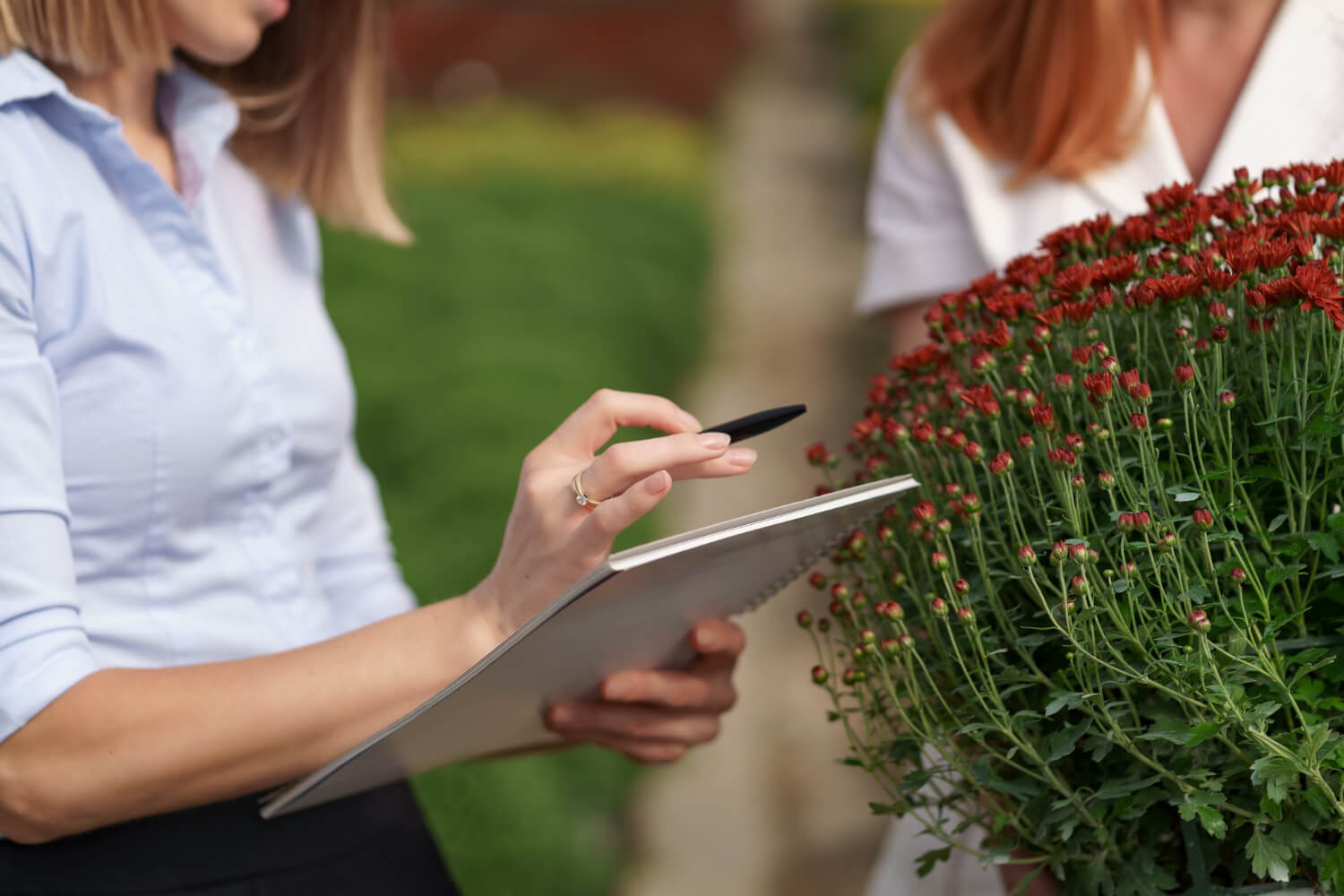
Take measurements of the main areas involved and photograph access points, slopes, existing paving, retaining walls, garden beds and any areas requiring removal.
Photos can give a contractor an initial idea of the site, although an inspection may still be needed before a final price is provided.
List Must-Have Features
Write down the features you consider essential. This could include:
- New turf
- Paving
- Retaining walls
- Garden beds
- Irrigation
- Drainage
- Driveways
- Outdoor entertaining areas
Separating must-have features from optional additions makes it easier to adjust the project if the first estimate exceeds your budget.
Request Itemised Written Quotes
Ask for labour, materials, equipment, disposal, preparation and other major costs to be listed separately.
An itemised quote makes it easier to compare contractors and see exactly what is included in the proposed landscaping cost in Adelaide.
What a Landscaping Quote Should Include
A clear landscaping quote should explain what you are paying for rather than providing one unexplained total.
Labour and Equipment Breakdown
The quote should identify the main labour requirements and equipment involved. Excavators, loaders, compactors and other machinery can add to project costs when excavation or significant site preparation is required.
Materials and Disposal Costs
Materials such as turf, soil, mulch, pavers, concrete, sleepers and plants should be identified where practical.
If existing landscaping needs to be removed, check whether green waste, soil, rubble or other disposal costs are included.
Timeline and Site Preparation
The quote should also outline major preparation work and an expected timeframe.
This can include excavation, grading, soil preparation, demolition, material delivery and installation. If the project depends on weather or other trades, ask how those factors could affect the schedule.
Frequently Asked Questions
Do landscaping quotes include site clearing?
How long does landscaping take?
Can landscaping projects be split up?
Final Thoughts
Planning a realistic 2026 budget comes down to a few clear factors: scope, materials, site access and whether the job is residential or commercial. Small garden work starts around a few thousand dollars, while full makeovers and commercial sites reach much higher.
On the other hand, staging the work and reusing materials can keep costs sensible without cutting quality. It is best to gather your measurements, list your priorities and request an itemised written quote so every dollar is accounted for.
If you are planning landscaping, earthworks, retaining walls or site preparation in Adelaide, Leeman Earthworks can help assess the work involved and provide a clear scope for your project.
Request an itemised quote from us and start planning your 2026 outdoor project with a clearer view of the costs involved.