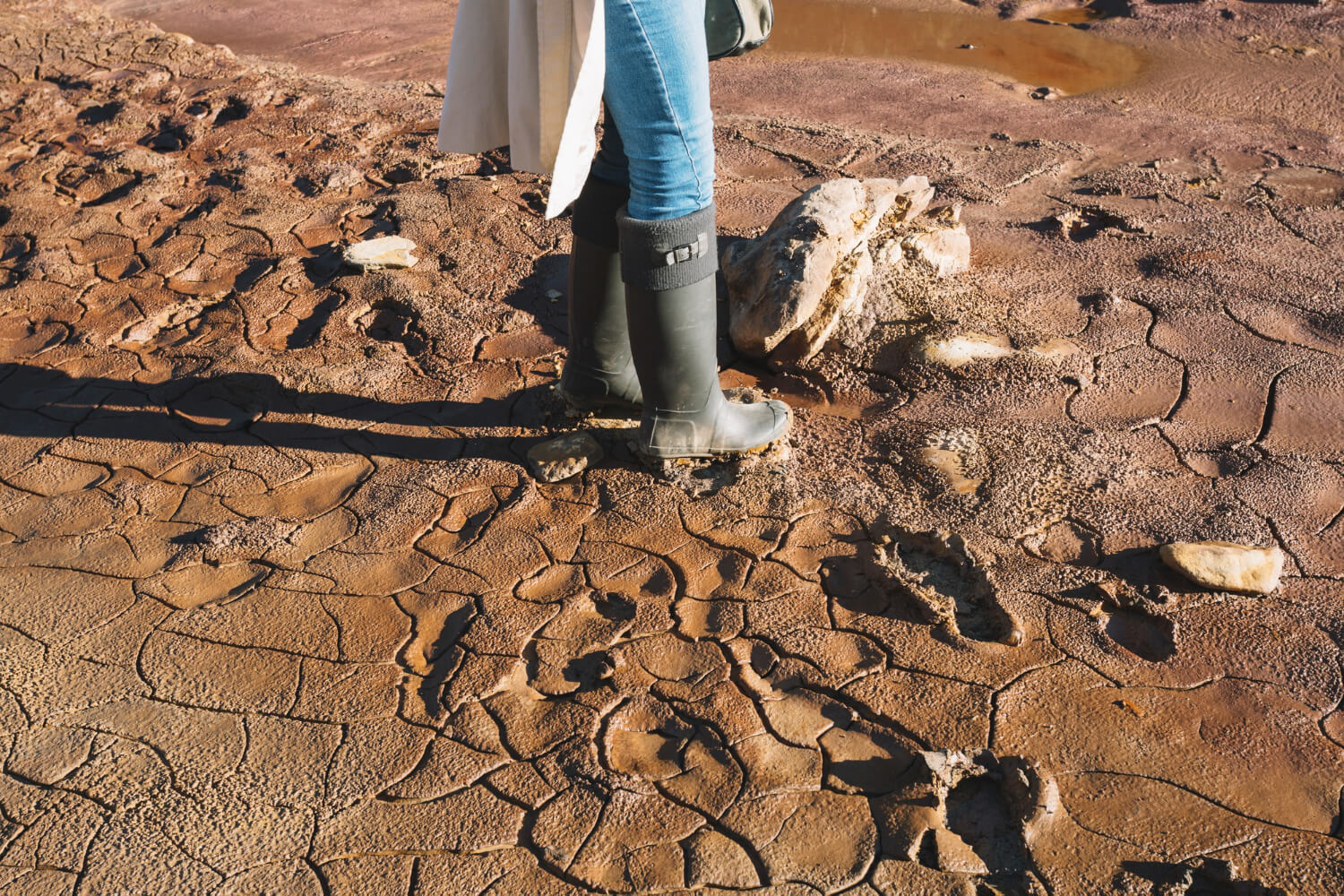
If you’ve stepped outside your Adelaide home after a decent downpour and found puddles sitting on your lawn for days, or noticed a patch of garden that stays soft and boggy long after the rest of the yard has dried out, you’re not imagining things.
This is one of the most common drainage complaints from homeowners and property managers across Adelaide, where rainfall typically peaks during winter with totals between 200 and 216mm. But often the culprit is not the rain itself. It’s what’s underneath your feet.
Clay soil is behind the vast majority of waterlogging issues in South Australia, and this issue can save you a lot of grief, expense, and dead plants. The good news is that clay soil waterlogging can be managed once you know what to look for.
What Is Clay Soil and Why Does It Hold Water
Clay soil contains extremely small mineral particles that sit closely together. Unlike sandy soil or silt, which has larger spaces that allow water to move quickly, clay particles create a dense structure with limited gaps for water flow.
When rain enters clay soil, the water struggles to move deeper into the ground. Instead, it can collect near the surface and create drainage problems. In other words, clay soil waterlogging is not only about the amount of rainfall since the soil itself controls how quickly water drains away.
Several factors can make clay soil waterlogging worse:
- Small soil particles: Clay particles pack tightly and leave fewer spaces for water movement.
- Poor soil structure: Compacted clay creates a dense layer that restricts drainage.
- Heavy traffic or machinery use: Construction equipment, vehicles, and regular foot traffic can compress soil further.
- Poor site preparation: Incorrect grading or inadequate drainage planning can direct water towards problem areas.
When clay soil becomes compacted, it loses the air spaces needed for water movement and root growth. This can create long-term drainage problems across gardens, lawns, and landscaped areas.
Early Warning Signs of Waterlogging in Clay Soil
The earlier you spot waterlogging, the easier and cheaper it is to address. Typically, the early signs of waterlogged soil include:
Standing Water That Lingers After Rain
For Adelaide homes, a bit of pooling immediately after a heavy downpour is normal. What’s not normal is water still sitting there a day or two later. How long it takes to disappear will depend on rainfall intensity, the slope of your block, existing drainage infrastructure, and soil conditions. But if puddles are a regular feature of your yard and not a rare occurrence, that’s a strong signal of clay soil waterlogging.
Soft, Spongy, or Boggy Ground
Walk across an affected area and pay attention to how it feels underfoot. Waterlogged clay soil often squelches, sinks slightly, or feels mushy, sometimes even several days after the last downpour. This is one of the signs of clay soil waterlogging.
Foul or Sulphurous Smell
This one surprises a lot of people, but it’s a genuinely useful diagnostic tool. When soil stays saturated for extended periods, the oxygen within it gets used up, creating anaerobic conditions. Organic matter breaks down differently without oxygen, often producing a distinct rotten-egg or sour smell. If you dig into a damp patch of garden and catch that odour, it’s another strong sign of clay soil waterlogging.
How Compaction and Site History Worsen Waterlogging
Natural clay soil is not always the only cause of drainage problems. Previous construction work, landscaping changes, and soil disturbance can make waterlogging worse.
During building projects or landscaping work, heavy machinery can compress the soil. This removes the natural spaces between soil particles and reduces drainage pathways.
If your property has a history of construction activity, the waterlogging issue could be linked to:
- Excavation work
- Heavy machinery movement
- Compacted fill materials
- Removed topsoil
- Poor grading during construction
How water moves through your property also affects drainage. Driveways, patios, pathways, retaining walls, and other hard surfaces can redirect rainfall into garden areas. For example, if paving slopes towards a lawn instead of away from it, water may collect in the garden and create ongoing moisture problems. However, proper site preparation during landscaping and earthworks helps create better water movement and reduces the risk of future drainage issues.
Practical Drainage Solutions for Clay Soil Waterlogging
Once you’ve identified clay soil waterlogging, there are several approaches worth considering, often used in combination.
Surface Management
Surface management is usually the first line of defence. Re-grading affected areas so the ground slopes away from the house, garden beds, or other vulnerable zones can make a significant difference. Raised garden beds or mounded planting areas are another straightforward option, lifting root zones above the saturated layer without requiring major earthworks.
Subsurface Drainage
Subsurface drainage tends to be the most reliable, long-term waterlogging solution. French drains and perforated pipe systems collect water below ground level and redirect it to an appropriate outlet. It could be a stormwater connection, a soak well, or a lower point on the property. Trench drains serve a similar purpose for surface water in specific problem areas, such as along paths or at the base of slopes.
Soil Amendment
Soil amendment involves working compost, sand, or gypsum into clay soil. It can improve structure and drainage in shallow, garden-bed-scale problems. However, this waterlogging solution has its limits. Soil amendment alone rarely resolves widespread or persistent waterlogging, particularly where the underlying issue is soil compaction or poor site grading. In those cases, it works best as a complement to proper drainage infrastructure rather than a replacement for it.
When to Call a Professional for Waterlogging Assessment
Some clay soil waterlogging issues are well within the realm of DIY, like a soggy garden bed that responds to better grading and a bit of soil amendment, for example. But others need expert input.
If waterlogging is affecting your foundations, driveway, or an area earmarked for future construction, you need a professional assessment. It’s essential for both compliance and structural safety. Similarly, if the problem spans a large area or seems to affect your whole property, you’re likely looking at a site-wide drainage issue that needs proper contour mapping and design work, not a quick fix.
You should also call in an expert if you’ve already tried the DIY approach and the landscape waterlogging keeps coming back. This usually points to something happening below the surface that isn’t visible from ground level. It’s far better to identify the core issue early than to keep patching the symptoms.
Weigh the Trade-offs
Every fix carries a trade-off. Surface grading is affordable but limited. Subsurface drainage costs more upfront yet solves stubborn cases. Soil amendment is cheap but partial. Matching the method to the severity of the clay soil drainage problems is where professional input proves its value.
Why Choose Leeman Earthworks for Waterlogging Solutions?
Leeman Earthworks provides reliable waterlogging solutions in Adelaide by combining local soil knowledge with practical earthworks expertise. The team identifies the cause of drainage issues and recommends solutions that suit your property conditions.
- Local experience with Adelaide clay soils and drainage challenges
- Professional assessment of water flow and soil conditions
- Complete grading, trenching, and drainage solutions
- Practical solutions for residential and commercial properties
- Skilled earthworks support from planning through to completion
- Modern equipment for efficient drainage and site preparation
- Trusted support for landscaping and civil works projects in Adelaide
FAQs about Clay Soil Waterlogging
Get Your Property Assessed for Clay Soil Waterlogging
Clay soil waterlogging is an everyday reality for a lot of properties across Adelaide and regional South Australia, but it doesn’t have to be a costly surprise. Identifying why clay holds water, knowing the early signs to watch for, and recognising when compaction or site history is compounding the problem helps you act efficiently. Start by simply observing your property after the next decent rain.
If you spot standing water, soft ground, or plants that seem to be struggling, Leeman Earthworks can help. We offer landscape waterlogging solutions, drainage improvements, and earthworks services across Adelaide.
Request a consultation today to improve your property’s drainage and protect your outdoor spaces.