For Adelaide homeowners, a driveway is both a functional surface and a defining part of residential landscaping. It frames the approach to the front door, supports daily vehicle use, and contributes to the overall feel of the outdoor space.
A well-chosen driveway helps create structure, balance, and clean lines across the yard.
Unlike patios or outdoor rooms that may be partially shaded, a driveway is usually fully exposed to sun, heat, water, and seasonal changes. Choosing between a concrete driveway and a paver driveway directly affects how the surface responds to summer heat, cooler months, and soil movement over time.
Adelaide’s climate plays a critical role in how driveway materials perform. Long, dry summers combined with cooler, wetter winters place repeated stress on hard finishes, particularly where expansion, contraction, and water management are not properly accounted for, as outlined by local long-term climate data.
This makes the pavers vs concrete driveway decision especially important for local homeowners. Selecting materials suited to local conditions can reduce long-term maintenance and improve durability for a new driveway.
Understanding Adelaide’s Climate and How It Affects Driveways
Seasonal heat and rainfall patterns
Adelaide experiences long summers with high sun exposure and relatively short winters that receive most of the annual rainfall. Driveway surfaces absorb heat throughout the summer and then experience concentrated runoff during the cooler months.
Extended heat places stress on finishes and joints, while winter rainfall increases the risk of standing water where drainage is inadequate. Together, these conditions can lead to cracking, fading, and surface wear over time.
Key climate-related factors that affect driveway performance include:
- Prolonged summer heat, which increases surface temperatures and accelerates expansion in rigid materials
- Concentrated winter rainfall, placing pressure on drainage systems and low points
- Rapid seasonal transitions, where materials must cope with shifting thermal and moisture conditions
- High sun exposure, which contributes to colour fading and surface degradation over time
Soil movement beneath driveways
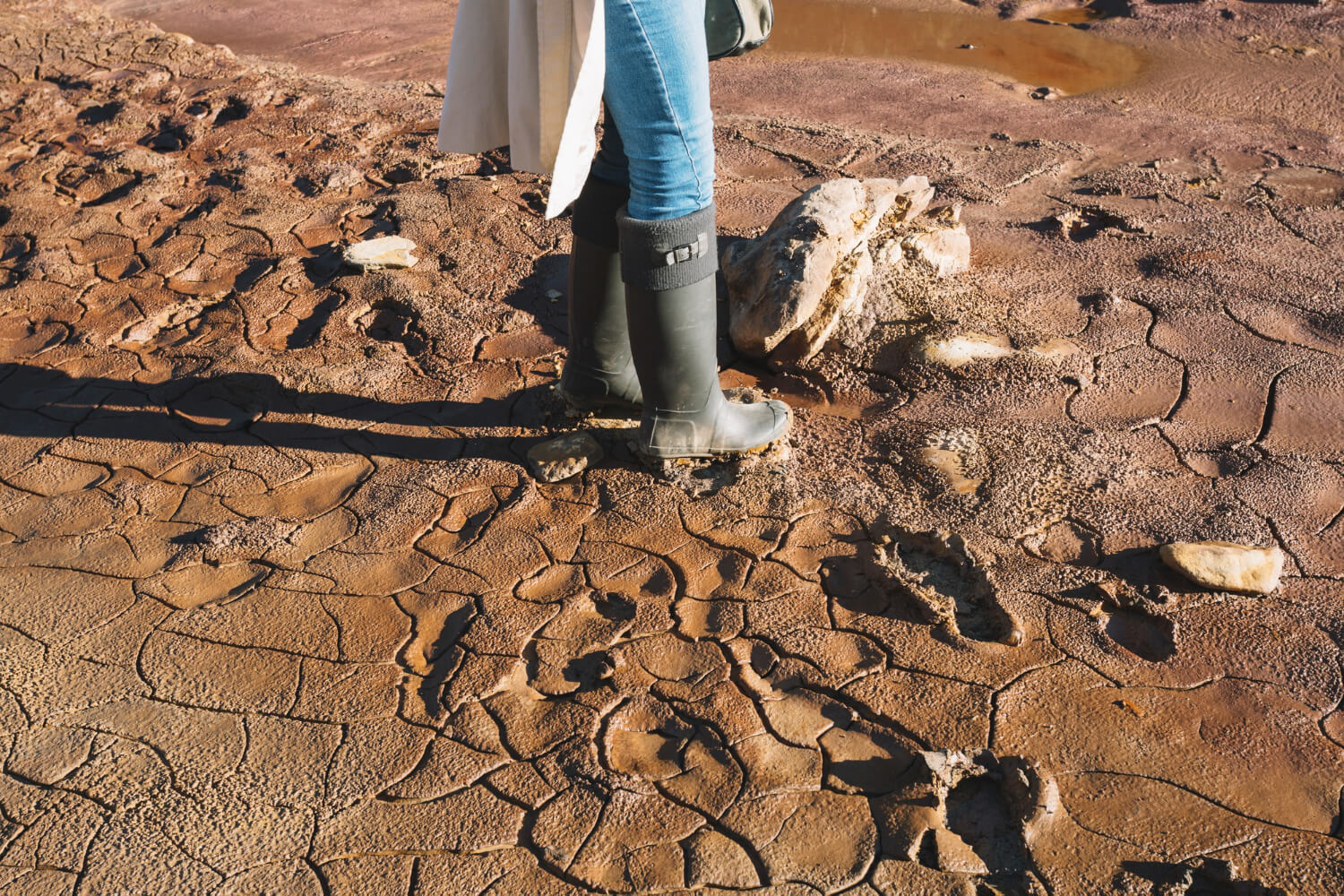
Many properties in Adelaide sit on reactive clay soil that changes volume as moisture levels rise and fall. During dry periods, soil contracts, while winter rainfall causes expansion.
This constant ground movement places stress on rigid structures such as concrete slabs. Driveways need to accommodate both surface heat and ground behaviour to perform reliably in Adelaide conditions.
Soil-related challenges commonly affecting area driveways include:
- Shrink–swell cycles in reactive clay soils beneath the driveway
- Uneven ground movement, which can transfer stress into slabs and paved surfaces
- Increased cracking risk where materials cannot flex or redistribute load
- Long-term settlement issues if the base is not designed for local soil conditions
Concrete Driveways: Benefits, Drawbacks & Suitability
Benefits of concrete driveways
A concrete driveway offers strength and a smooth, continuous finish when installed correctly. It supports heavy vehicles and suits modern landscaping styles that favour clean lines around the house and entrance.
A smooth concrete finish is easy to clean and is low-maintenance when sealed properly. Stamped concrete can also introduce subtle texture while maintaining structural consistency. Concrete works well with exposed aggregate or coloured finishes, allowing homeowners to add visual interest without overwhelming the surrounding garden, lawn, or walkway.
For homeowners planning a new driveway, concrete is the most practical option when the goal is a smooth finish with clean lines and a low-maintenance profile.
Drawbacks of concrete driveways
Concrete is inherently rigid, which can be a disadvantage in Adelaide conditions. Heat, moisture variation, and soil movement increase the likelihood of concrete cracks forming over time.
As concrete cracks develop over time, they often become more visible. Scratches and surface wear are also more noticeable in areas exposed to full sun and regular vehicle use, and larger issues may require partial replacement of the concrete slab.
Concrete finishes can also become slippery when wet. During winter rain, smooth surfaces may reduce traction on sloped driveways or high-use access areas.
Suitability for Adelaide’s climate
Concrete can perform well when climate-specific measures are applied. Expansion joints, reinforcement, correct curing, and sealing all help limit cracking and moisture-related damage.
Without proper preparation, concrete driveways are more likely to show wear under heat and ground movement, increasing repair and ongoing maintenance needs.
Paver Driveways: Benefits, Drawbacks & Suitability
Benefits of paver driveways
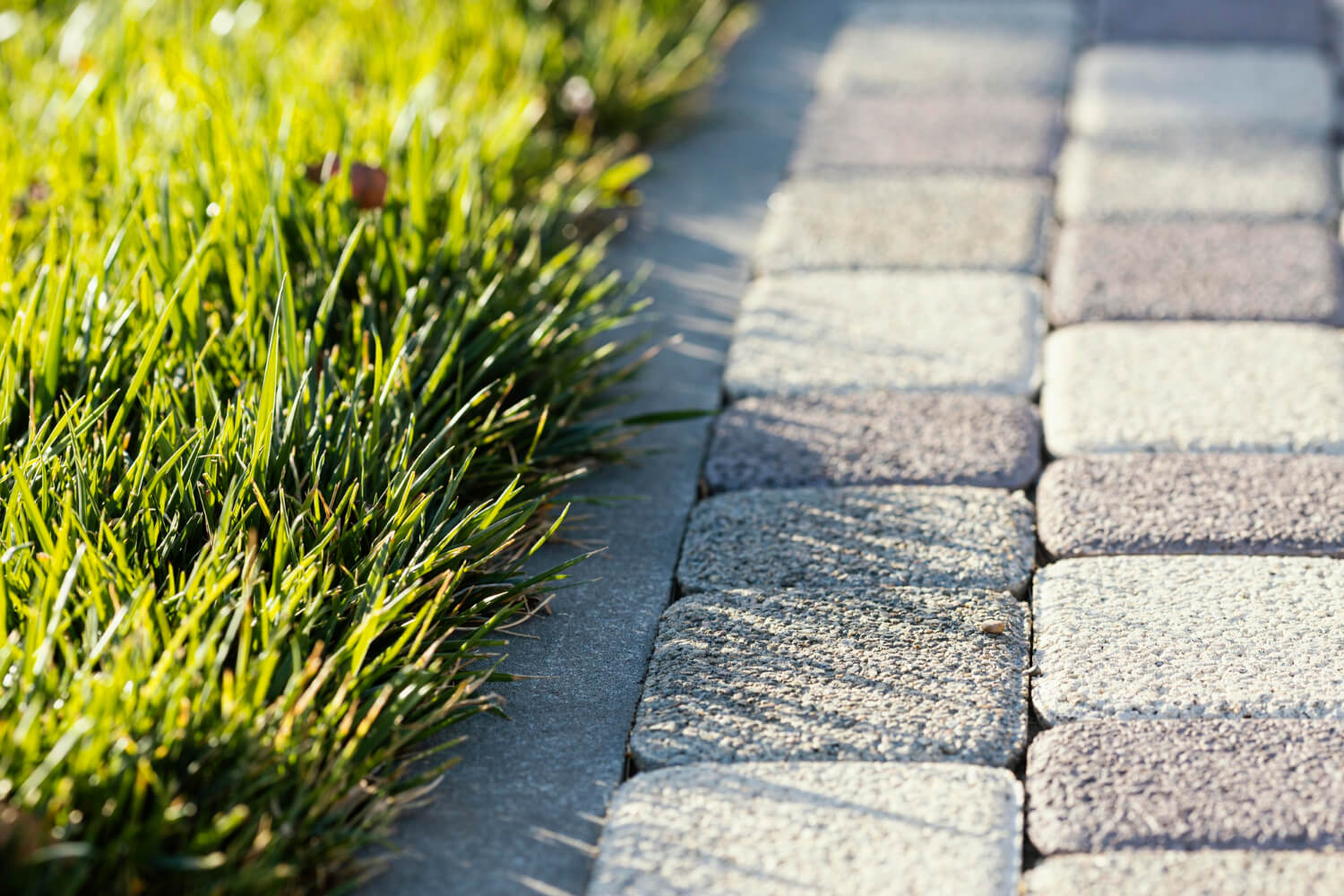
A paver driveway is made up of individual concrete pavers or stone units laid over a compacted base. This segmented structure allows movement without visible cracking, making pavers well-suited to Adelaide’s soil conditions.
Concrete pavers and stone options introduce natural texture and visual depth. This layered finish breaks up large driveway areas, adds interest, and complements surrounding landscaping.
Concrete pavers also provide excellent drainage. Water filters through joints rather than pooling, reducing standing water and improving safety near the front door or main access paths.
This flexibility makes it easier to visually connect the driveway with outdoor rooms, such as seating areas or a nearby fire pit.
Drawbacks of paver driveways
Pavers generally involve a higher upfront cost than concrete. Labour requirements and material selection influence pricing, particularly for larger square-metre installations.
Pavers require regular maintenance. Weed growth, joint sand loss, and occasional re-levelling are part of long-term care, especially in areas exposed to sun and rain.
Installation quality is critical. Poorly prepared ground can lead to uneven areas that require early repair.
Suitability for Adelaide’s climate
Pavers perform exceptionally well during summer heat. Individual units expand independently, reducing stress across the surface and helping maintain shape and structure. Lighter paver colours reflect heat during summer, while jointed construction improves drainage during cooler, wetter months.
Pavers vs Concrete Driveway: Cost Comparison
Upfront and lifetime costs
A concrete driveway typically has a lower initial installation cost than a paver driveway. Fewer materials and faster installation contribute to this difference.
Pavers require greater labour investment but tend to have lower lifetime repair costs. Individual pavers can be replaced without removing the entire driveway.
Maintenance and repair considerations
Concrete generally involves less routine upkeep, but repairs can be more expensive if cracking becomes widespread. These repairs can affect the appearance of the entire surface.
Pavers require more frequent maintenance, but repairs are simpler and localised. This makes them easier to maintain over the driveway’s lifespan.
Value for properties
Heat, soil movement, and water exposure can increase lifetime costs for concrete if not managed carefully. For many properties, pavers provide stronger long-term value despite higher upfront costs.
While gravel and asphalt are sometimes considered for driveways, they typically require more frequent upkeep and provide less structural stability.
Working with an experienced contractor early in the project can help clarify materials, installation methods, and maintenance expectations.
Durability & Maintenance in Adelaide’s Conditions
Concrete driveways are more susceptible to cracking caused by heat and soil movement. Over time, these cracks can widen and affect surface integrity.
Pavers absorb movement more effectively. Their flexible structure supports easier repair and long-term durability.
Many area suburbs here sit on reactive clay soils that shrink as they dry and expand when wet. This creates ground movement beneath rigid surfaces and increases the risk of cracking in slabs, paved areas, and adjacent structures.
This shrink–swell behaviour is documented in South Australian technical guidance on soil moisture and clay behaviour, which explains how changing moisture levels place stress on rigid surfaces.
Addressing small issues early helps maintain driveway performance. Regular inspection supports longer service life for both concrete and paver systems.
Aesthetic Appeal & Customisation
Concrete driveways suit modern homes with smooth finishes and clean lines. They integrate well with minimalist landscaping, structured gardens, and contemporary outdoor rooms. Details such as edge treatments, lighter colours that reflect heat, and strategic shade can influence comfort and visual balance.
Pavers offer greater visual range. Stone textures, varied shapes, and patterns add warmth, beauty, and depth to the driveway and surrounding yard.
For homeowners planning a complete exterior upgrade, driveway design typically forms part of a wider residential solution supported by local residential services.
Concrete pavers and stone materials also allow homeowners to express their personal style while maintaining durability and structural integrity.
For homeowners seeking inspiration, these landscaping ideas help the driveway serve both function and visual interest.
Integrating the driveway into the wider landscape
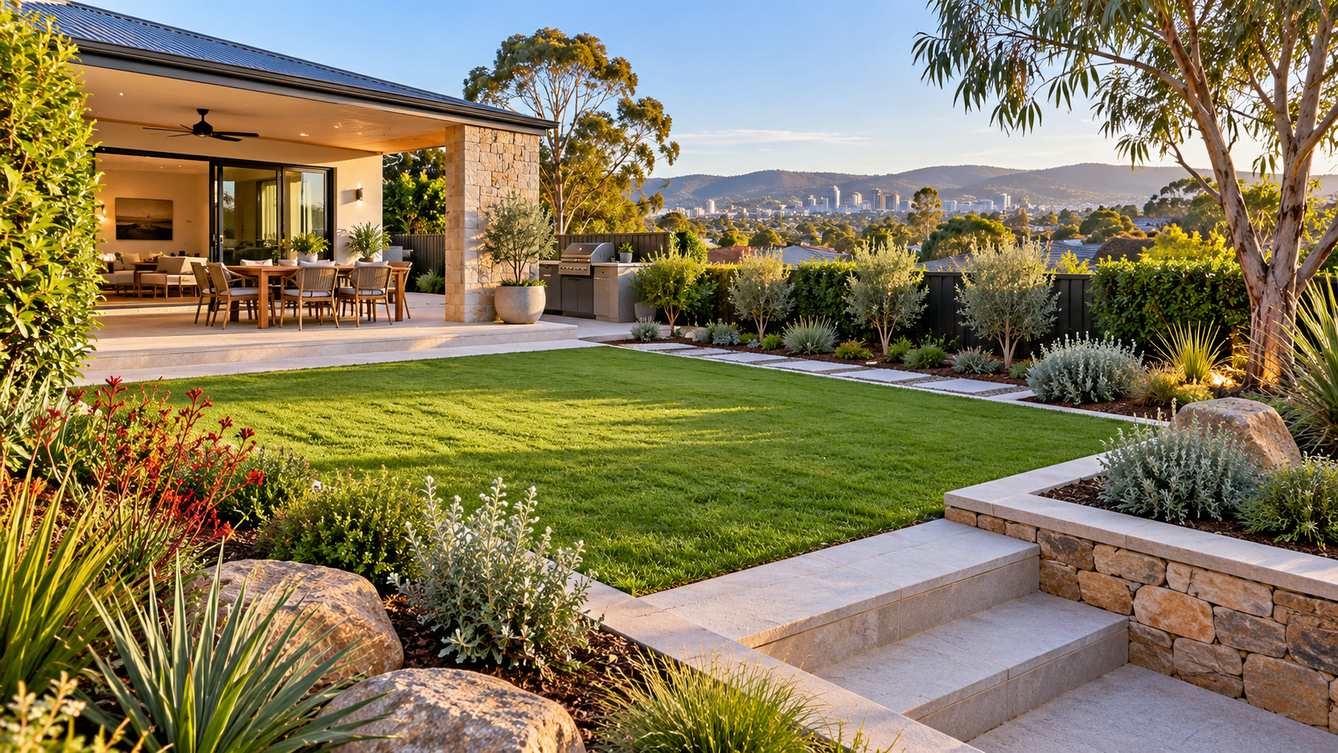
A driveway should integrate seamlessly with the surrounding landscaping, rather than stand apart from it. When planned as part of a broader outdoor space, it can link the house to the garden, lawn, and nearby walkway.
Design choices like edging, shape, and materials help create a clear transition between hard areas and softer landscape elements. This approach allows the driveway to sit comfortably alongside patios, pathways, and planting beds.
For many properties, integrating the driveway with shrubs, garden beds, and long-term plantings improves balance and usability. It also supports landscaping ideas that consider how people move through the yard and outdoor rooms over time.
Which Driveway Is Better for Adelaide’s Climate?
When comparing pavers and concrete driveway options in Adelaide, local conditions play a decisive role. Prolonged summer heat, reactive clay soils, and winter rainfall patterns all place different demands on driveway materials over time.
Why pavers perform better in Adelaide
Pavers generally perform better in this environment because they can accommodate both heat and ground movement. Their segmented structure allows individual units to shift slightly without transferring stress across the entire surface.
This makes pavers ideal in suburbs with reactive clay soils, where shrink–swell cycles can place pressure on rigid materials. Jointed construction also improves drainage, reducing the risk of standing water during winter rainfall.
When concrete can still be a suitable option
Concrete remains a viable option for some properties, particularly where budgets are tighter or where site conditions are stable.
However, in some conditions, concrete requires careful preparation, including appropriate base design, reinforcement, expansion joints, and sealing. Without these measures, concrete is more prone to cracking as temperatures fluctuate and soil movement occurs beneath the slab.
Making the right choice for your property
Overall, pavers tend to offer greater resilience and easier long-term repair in Adelaide’s climate, while concrete can perform well when installed correctly and maintained with local conditions in mind.
The best choice depends on soil type, exposure, design priorities, and how the driveway will be used over time.
Designing a Driveway That Performs in Adelaide’s Climate
Choosing the right driveway material is a long-term decision that affects how a property functions and looks over time. Matching materials to local conditions helps protect both performance and appearance.
A well-designed driveway supports daily use and residential landscaping. When materials are well-suited to heat, soil, and water, maintenance requirements are reduced.
Leeman works with homeowners to design driveway solutions that align with local conditions and broader residential services. Each project considers soil behaviour, drainage, materials, and long-term durability.
Are you a homeowner planning a new driveway or considering upgrading your outdoor space? Get in touch with Leeman for a project consultation. We’ll analyse the site-specific conditions, guide material selection, and begin the design process.
A thoughtfully designed driveway can also create a cohesive connection between the driveway, patio, and surrounding outdoor rooms, strengthening the overall property layout and long-term usability.