If you’ve ever been involved in a commercial landscaping project that looked terrific on paper but turned into a headache on site, you’re not alone. Across Australia, many new landscapes cost twice as much as they should, take far longer than expected, and start failing before the ribbon’s even cut.
The thing is, most of these failures are avoidable. At Leeman’s, we’ve seen the same mistakes play out repeatedly: rushed planning, flimsy budgets, poor communication, and shortcuts that end up costing a fortune to fix later.
Let’s unpack why so many commercial landscaping projects don’t go to plan, and how you can avoid ending up in this position.
Why Commercial Landscaping Projects Often Go Wrong
Commercial landscaping projects tend to go wrong because the foundations (figurative and literal) aren’t set properly from the start. Too many jobs begin without a clear scope, thorough planning, or alignment between all the key players.
Add in the wrong contractor, missed site details, and an overly optimistic budget, and the cracks start showing.
Poor communication between developers, builders, landscapers, and clients only makes things worse. If everyone’s pulling in a different direction, quality slips, timelines stretch, and costs creep up.
When planning, communication, and practical experience are missing, a commercial landscape project is halfway to trouble before the first shovel hits the dirt.
Poor Planning in Commercial Landscaping Projects Leads to Costly Mistakes
Planning is the make-or-break factor in most commercial landscaping projects. What looks fine on paper can quickly fall apart once work begins, and fixing these mistakes later is where costs start climbing.
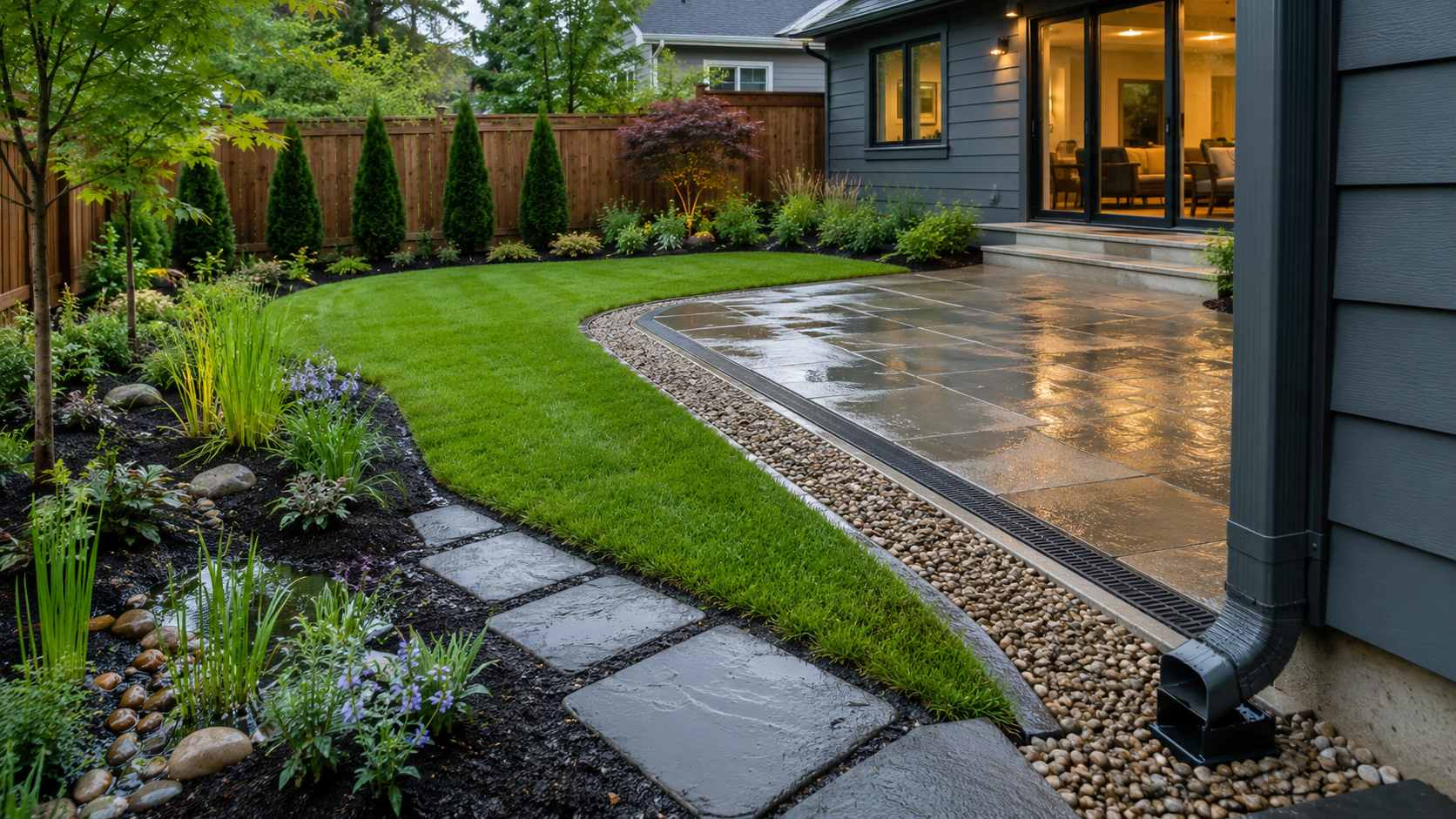
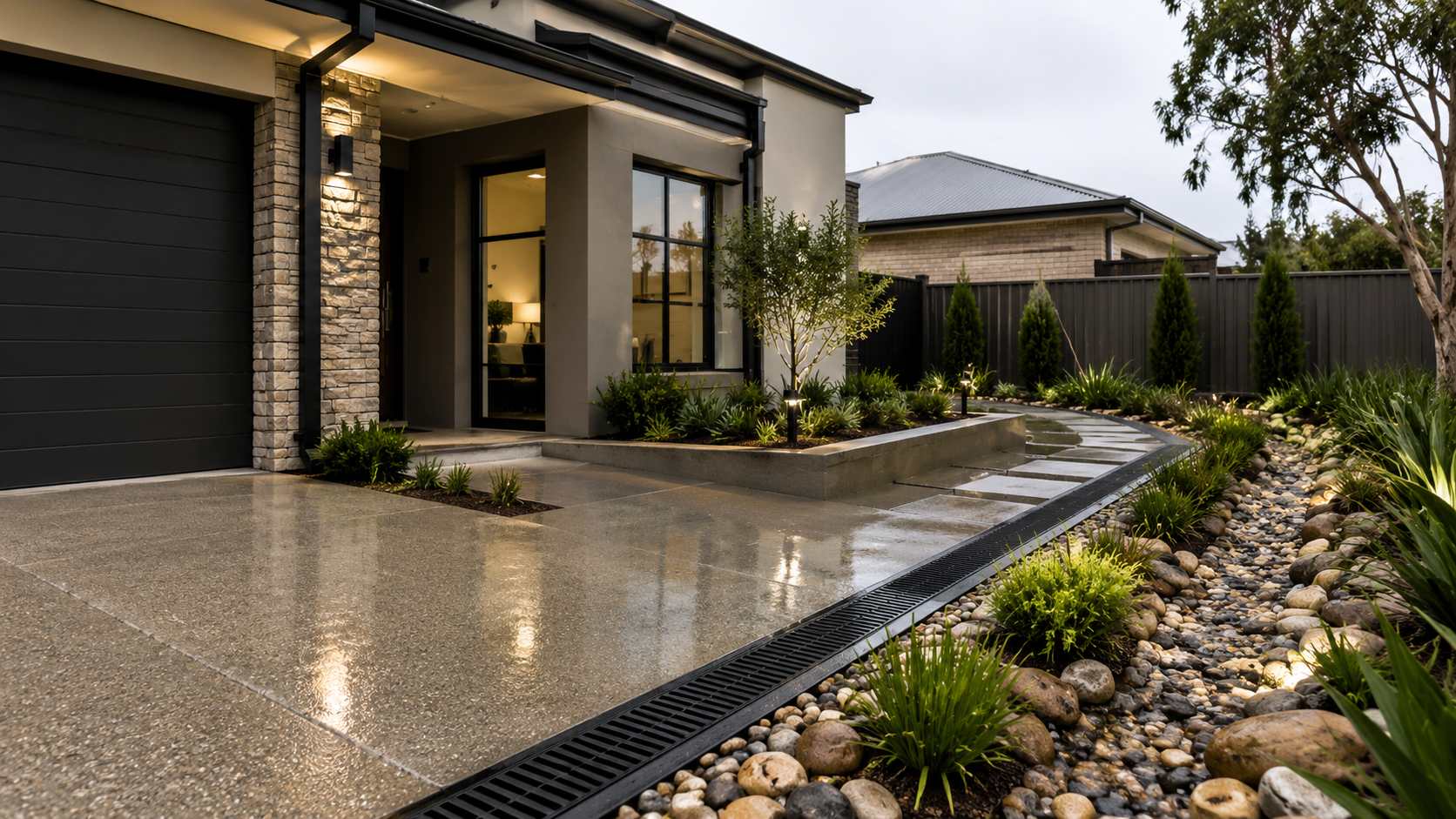
Rushed or incomplete planning leads to multiple problems. You’ll see designs that don’t factor in drainage or soil type, or layouts that look great on a drawing but don’t function in the real world. Without proper planning, what starts as a small oversight quickly turns into a budget-blowout.
Skipping proper design stages often leads to mismatched planting, awkward access points, or water pooling where it shouldn’t. The biggest issue is usually a lack of proper site analysis. Without understanding the land, problems are almost guaranteed.
Professional commercial landscaping services take these headaches off the table by tackling planning properly from day one.
Choosing the Wrong Commercial Landscaping Services Provider
A commercial landscaping job is only as strong as the team behind it. Choosing the wrong service provider is one of the biggest reasons projects fail. Many businesses settle for the cheapest quote, only to learn that the low bid usually means low capability.
Commercial landscaping isn’t the same as a homeowner’s garden makeover. These sites need teams who understand large-scale builds, project sequencing, and compliance requirements. An inexperienced crew might struggle with coordination, site safety, or handling specialist materials.
The best commercial landscaping services bring proven expertise and strong systems. Because they’ve done it before, they usually have the in-house capability to deliver the results you want. Always check their project history, industry experience, and client feedback before signing a contract.
Ignoring Long-Term Maintenance in Commercial Landscape Projects
A striking new landscape can lose its lustre quickly if maintenance isn’t part of the plan. It’s a trap many developers and property managers fall into: they focus on design and installation, then forget what happens after handover.
Poor plant selection is a classic pitfall. High-maintenance species increase workload and costs. Without proper irrigation planning, plant loss becomes common, especially in tougher Australian conditions.
Every commercial landscape project should include a maintenance strategy from the start. Good commercial landscaping services will plan for how the site can be sustainably cared for over time.
Budget Mismanagement in Commercial Landscaping Projects
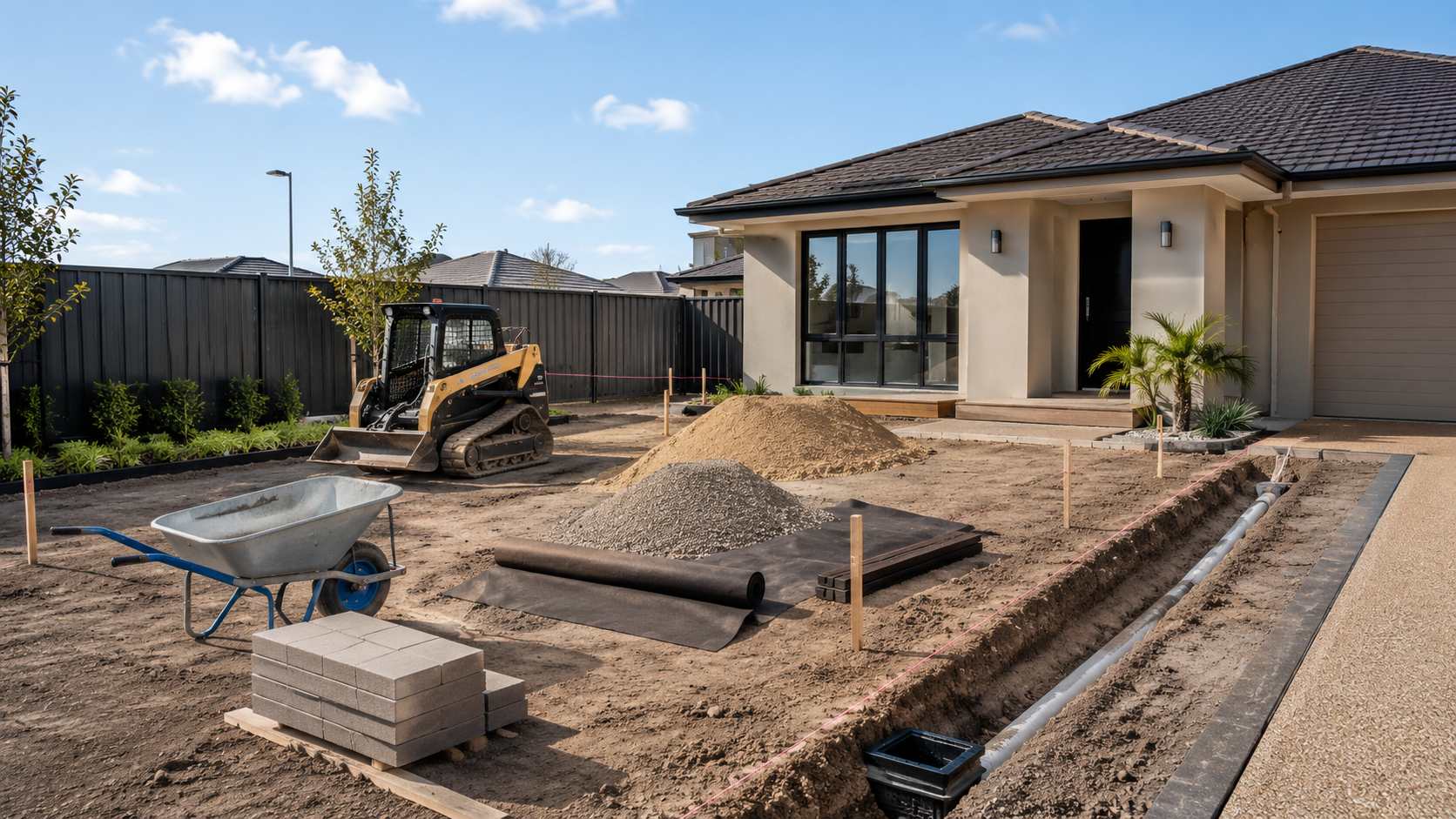
Budget mismanagement is one of the most common reasons commercial landscaping projects spiral out of control. It usually starts with underestimating the true costs. People tend to budget for plants and pavers but forget about subgrade prep, drainage systems, irrigation infrastructure, or materials delivery.
Once unexpected expenses pop up, the temptation is to start cutting corners. Usually, this translates to cheaper materials, smaller plants, or thinner finishes. You may save a few dollars now, but you’ll spend triple on rework later.
Delays are another problem. Every extra week on-site chews through labour, machinery hire, and supervision budgets. The better approach is to set a realistic budget that covers everything from preliminaries to maintenance, and stick to it.
Lack of Functionality in Commercial Landscaping Design
A landscape can look fantastic but still fail if it doesn’t work well for the people who use it. Far too many designs focus purely on aesthetics and forget about functionality.
For instance:
- Poor layouts can limit access and create usability issues.
- Missing elements like shade, seating, or clear pathways reduce how practical the space feels, especially in high-traffic areas.
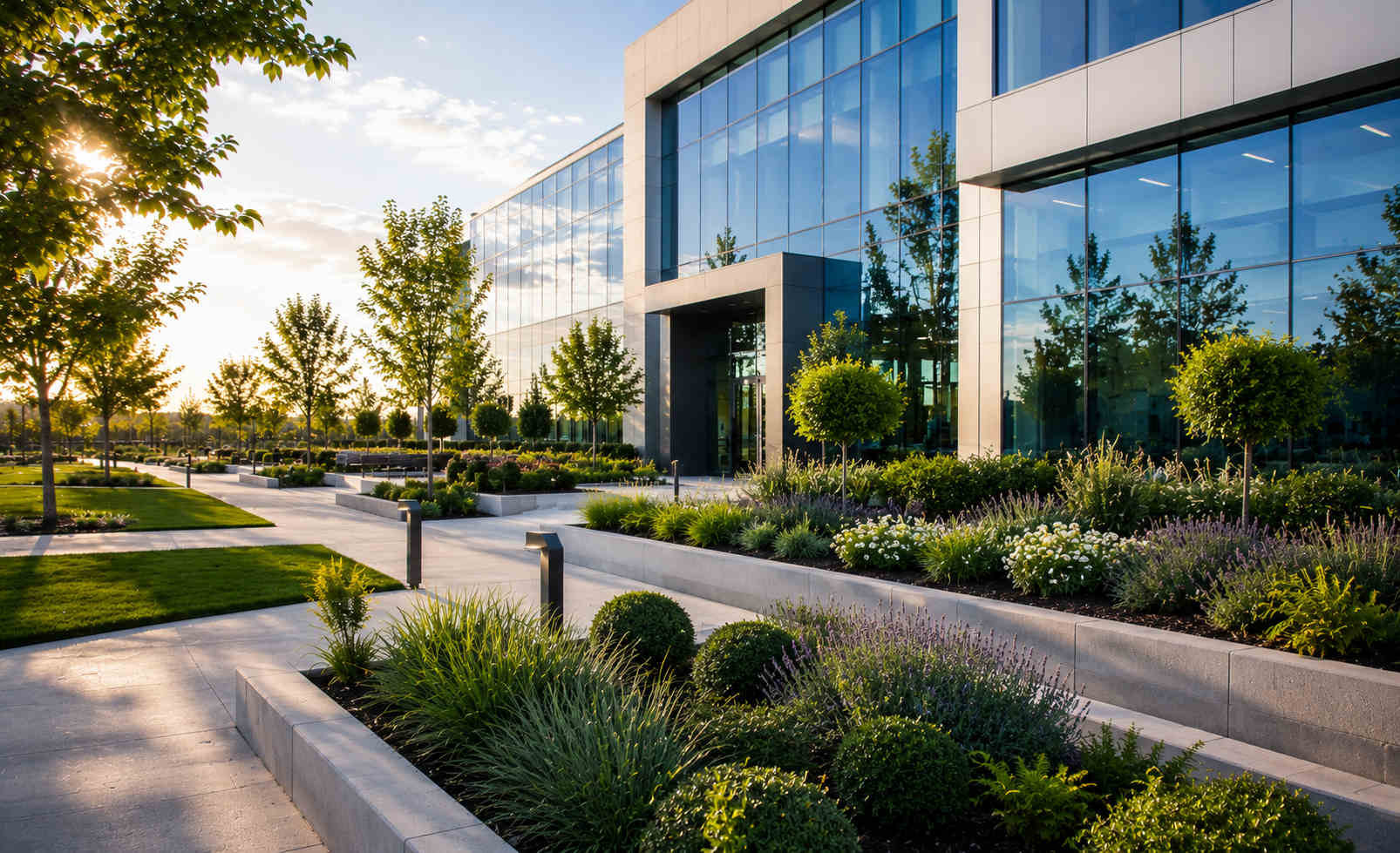
Successful commercial landscape projects strike a balance between design flair and practical value. Functionality, accessibility, and flow should always guide decisions just as much as visual appeal.
How to Avoid Failure in Commercial Landscaping Projects
Fortunately, most of these failures are preventable. To avoid trouble in your next commercial landscaping project, start with a clear, well-defined plan. Decide upfront what you’re trying to achieve and make sure everyone agrees on that vision.
- Work only with experienced commercial landscaping services that can demonstrate expertise with similar sites
- Conduct a thorough site assessment before design begins. Check soil profiles, drainage paths, exposure, and access points
- Base your design on facts, not assumptions
- Choose materials that can cope with Australian conditions, such as UV, stormwater, drought, and foot traffic
- Avoid “cheap and cheerful” finishes that don’t hold up over time
- Include maintenance planning from the outset, covering irrigation, pruning, and cleaning access
- Keep communication clear between landscape architects, builders, and clients, so decisions are made quickly
Get these fundamentals right, and your commercial landscaping project is far more likely to run smoothly and stay on budget.
Final Thoughts
Success in commercial landscaping starts and ends with planning, quality, and professionalism. Focus on both function and aesthetics: your space needs to look good and work well.
Make sure you comply with local council requirements, safety standards, and accessibility codes from the beginning. Partner with commercial landscaping professionals who genuinely understand large projects, not just residential jobs on a bigger scale. A great team will bring you ideas that increase value and reduce maintenance over time.
If you’re planning a project and want it done properly the first time, talk to Leeman Earthworks about how to approach your commercial landscaping with clarity and confidence.