If you own a backyard in Adelaide, or anywhere across South Australia, chances are you’ve run headfirst into the joys of clay soil.
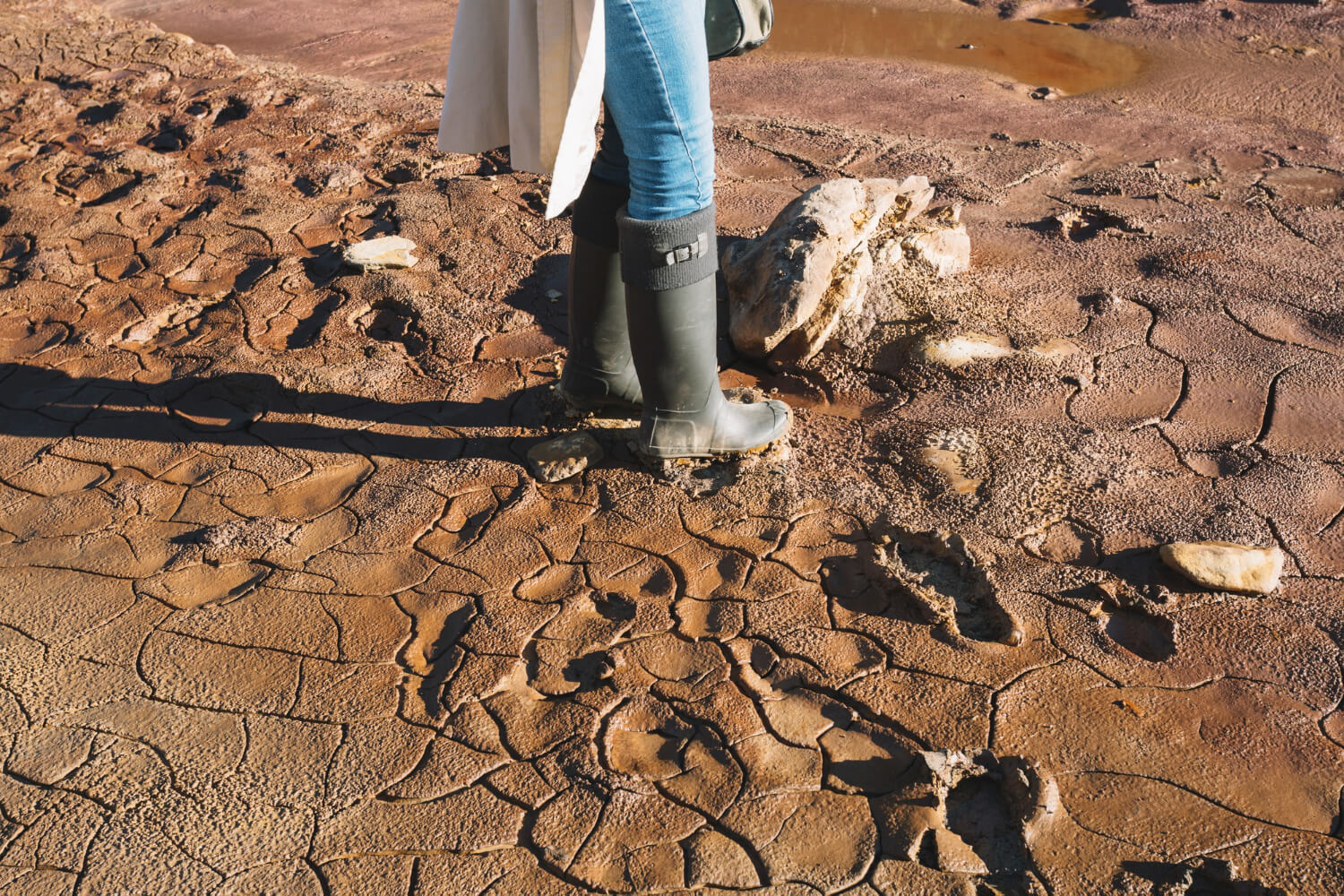
After one good downpour, your yard looks more like a duck pond than a lawn. Wait a week, and the entire surface dries, cracks wide open, and turns rock-hard. Anything trying to grow has to fight for every bit of life it can get.
It’s a tough mix of too much water, then not nearly enough. For most homeowners, it feels like the ground itself is working against you. And if you’re trying to landscape, plant a garden, or build an outdoor space, clay can feel like your biggest enemy.
However, clay soil isn’t hopeless. With the right drainage plan, you can work with it instead of fighting against it. In this guide, we’ll explore why clay soil behaves the way it does and provide practical, long-term solutions to keep your backyard dry, stable, and ready for enjoyment all year round.
Why Clay Soil Causes Drainage Problems
Essentially, poor backyard drainage for clay soil boils down to how tightly packed the clay particles are.
Clay looks solid enough, but the fine, tightly packed particles leave almost no gaps for water to move through. When it rains, the water just sits on the surface and forms puddles.
Then, once the sun returns, the ground bakes dry, cracks open, and suffocates anything trying to grow.
Clay soil is moody. It swells when it’s wet and shrinks when it dries. Over time, this constant movement can lift pavers, stress retaining walls, and even affect the stability of house footings.
A proper clay soil backyard drainage setup fixes this. By managing how water flows and escapes, you protect your garden, deck, and foundations while keeping your yard functional in every season.
Signs You Need Backyard Drainage Solutions
A bit of pooling after rain might not seem like much, but consistent wet spots and slow-to-dry areas are red flags that your property needs proper backyard drainage solutions. These small clues show that water isn’t moving through the soil as it should.
- Persistent puddles or slow drainage after rainfall
- A soggy lawn or uneven, patchy grass growth
- Water flowing back toward the house or pooling near structures
- Cracked paving or movement in retaining walls
- Mould, dampness, or musty smells around foundations
Noticing one or more of these symptoms is a clear sign your soil is struggling to cope with excess moisture. Consider installing customised backyard drainage solutions to redirect the water before it causes long-term damage.
Surface-Level Backyard Drainage Solutions
Some backyard drainage solutions can be implemented at the surface level before moving to more intensive systems. In moderate cases, these approaches can significantly reduce pooling after rainfall.
Regrading and Sloping
Creating a gentle fall away from your home encourages water to move naturally toward safe drainage points. Even a small gradient of two to three percent is usually enough to stop pooling near patios, fences, or foundations.
Regrading works best in combination with other adjustments to help water flow off the surface before it has a chance to soak in.
Spoon Drains and Swales
Spoon drains and swales act like open channels that sit at or just below the ground. They guide stormwater away from problem areas and into a legal discharge point. Both options control surface flow during heavy rain and prevent runoff from collecting around structures or compacted lawn areas.
Lawn Aeration and Soil Amendment
Improving soil structure can also support backyard drainage solutions for clay soil.
Aerating your lawn and mixing in gypsum breaks up tight clay particles, while organic matter boosts drainage and soil health. The results aren’t instant, and the effect has limits in heavy clay, but these changes ease surface pooling and support grass growth.
Subsurface Drainage Systems
Surface fixes sometimes can’t keep up with heavy water build-up in clay soil. In these situations, subsurface systems take control of backyard drainage for clay soil by capturing water below ground and directing it away from problem areas.
French Drains (Ag Drains)
French drains use perforated pipes wrapped in geotextile fabric and set into gravel trenches. The system collects excess moisture trapped in clay and redirects it to a discharge point. Installed correctly, it keeps the ground firm, lawns healthy, and retaining walls stable.
Soak Wells
Soak wells collect stormwater and release it slowly into surrounding ground. Water from roof downpipes or drainage pipes flows into the underground chamber and disperses over time.
They work well alongside other drainage systems that spread water more evenly across the property.
Channel Drains
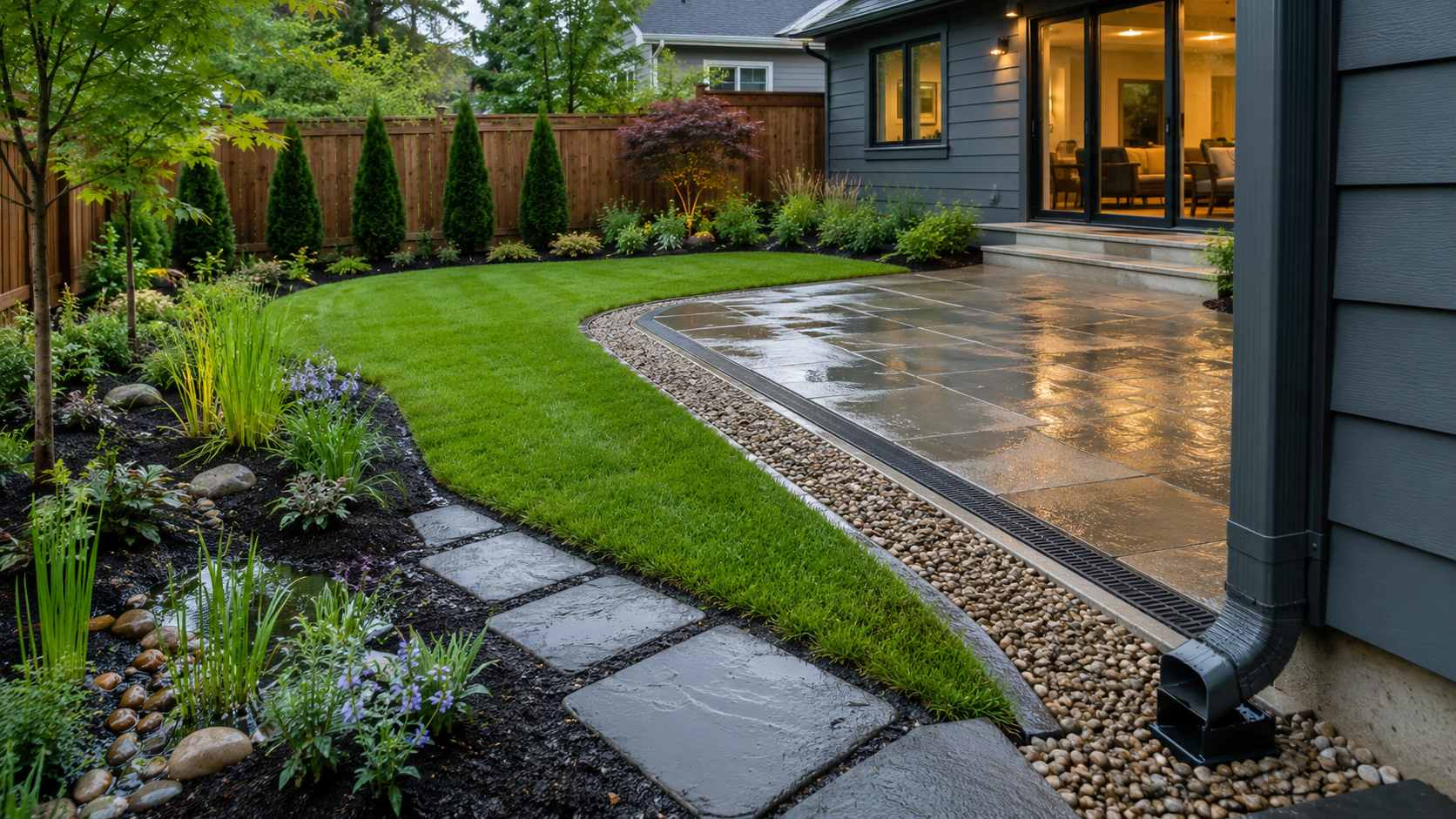
Channel drains sit flush along driveways, patios, or paths. They capture surface water fast and stop the flow from reaching the house. The streamlined design works well alongside paved or concreted areas and ties directly into the stormwater system.
Combination Systems
Many Adelaide backyards need a mix of systems. Builders often combine surface and subsurface drainage to match the block’s slope and soil type. For instance, a French drain might run beneath a shallow swale to collect overflow. The idea is to move water quickly and safely without disturbing your landscaping.
The Role of Stormwater Management and Legal Considerations
Every property owner in Adelaide has a responsibility to manage runoff properly. Effective backyard drainage solutions must direct water to approved stormwater outlets rather than letting it flow into neighbouring yards or public areas.
Councils across South Australia set clear rules around how homeowners handle surface and subsurface drainage, especially when new structures or landscape changes are involved.
Compliance protects your property and those around you. Failing to install drains correctly can cause erosion, structural movement, or disputes with neighbours. Always have surface grades, pipes, and outlet points set and installed by qualified professionals who understand local regulations.
Good stormwater management keeps your block safe, functional, and free from pooling. Get it right early, and your backyard drainage system will serve you well for years to come.
Cost and Long-Term Considerations
It pays to think about both the upfront and ongoing costs of your backyard drainage solutions for clay soil.
- Surface systems, such as regrading or spoon drains, usually cost less to install but need occasional maintenance to stay effective.
- Underground options, like French drains or soak wells, require more work early on but offer better durability and lower upkeep once in place.
Every property is different, and the size and slope of your block play a big role in what’s realistic. In heavier clay zones, investing in a sound clay soil backyard drainage solution can prevent bigger expenses later, including foundation movement, cracking, and water damage around the home.
Drainage, like any outdoor upgrade, should be treated as a long-term improvement. A professional assessment makes sure your system is customised to the site, performs well through Adelaide’s mix of dry summers and wet winters, and keeps your property stable and usable for years to come.
Practical Tips for Managing Clay Soil Drainage
Managing backyard drainage for clay soil doesn’t stop once the drains go in. The long game is about staying alert and proactive. Since Adelaide’s weather swings between downpours and dry spells, a bit of regular upkeep goes a long way towards keeping things balanced and low-stress.
Here are a few good habits to build in:
- Check your yard after heavy rain and note where water gathers or drains slowly.
- Keep gutters and downpipes clear, so stormwater runs freely to where it should.
- Avoid compacting the soil with mowers, cars, or construction gear.
- Plan new garden beds or paving layouts with drainage patterns in mind.
- Watch retaining walls and paved areas for early signs of cracking or movement.
Taking time to maintain and review your drainage setup will save you major headaches down the track and keep your backyard ready for use all year round.
Frequently Asked Questions
Putting It All Together: Creating a Backyard That Works Year-Round
Clay soil doesn’t have to be the enemy of a beautiful, low-maintenance backyard. With proper drainage solutions, you can keep your yard functional all season long.
Adelaide’s weather will always throw its share of heavy rain and dry heat, but with the right setup, you’ll have a backyard that handles both hassle-free. So, if your lawn’s been acting more like a muddy dam than a place to relax, it’s time to fix the root of the problem and enjoy your outdoor space again.
Thinking about sorting your drainage or planning a bigger backyard upgrade? Speak with Leeman Earthworks today! We’ll help design a drainage solution suited to Adelaide’s conditions and your lifestyle.