If you live in Adelaide, you already know the weather has a personality of its own. Scorching January days, the odd surprise downpour, and underneath it all, a patchwork of hard clay soils and sandy coastal ground that doesn’t always play nicely with water. That’s exactly why a solid home drainage system deserves a spot at the top of your property priorities, not an afterthought.
When water has nowhere to go, it creates problems such as pooling, soil erosion, and run-off that quietly chip away at your home’s foundations and gardens. Unfortunately, most people don’t think about residential drainage systems until something goes visibly wrong, like a crack in the wall or a soggy patch that never dries out.
Learning how residential drainage systems work isn’t complicated, and getting ahead of the problem is always easier (and cheaper) than fixing the damage after the fact. A little knowledge goes a long way in keeping your home and outdoors in great shape for years to come.
What Are Common Drainage Problems in Adelaide?
Adelaide’s soil has a bit of a reputation, and for good reason. That heavy clay found across many suburbs swells when it’s wet and shrinks when it dries out. All that movement quietly disrupts how water flows around your home.
Add a sudden downpour to the mix, and the ground simply can’t absorb it fast enough. Water builds up quickly in gardens and around the house before you’ve had time to grab a raincoat. If your home sits on a slope, you’ve likely watched soil and mulch wash downhill after a decent storm.
That said, blocked or poorly designed drains only make things worse. Water doesn’t wait for a better route. It just takes the most available one, which is rarely the one you’d choose. That’s why having a reliable drainage system for your home matters. Without it, you’re leaving your foundations and landscaping exposed to the kind of slow, creeping damage that’s frustrating and expensive to fix.
The Basics of Residential Drainage Systems
At its heart, a residential drainage system has one job: to move water away from your home and garden before it causes trouble. It’s what keeps your property dry, stable, and protected from the kind of moisture build-up that quietly does damage over time.
Even a straightforward home drainage system can include a smart mix of surface drains, underground pipes, and stormwater channels. Together, they collect rainwater from your roof, driveway, and patio, then guide it safely to the street or another approved outlet.
In some cases, trenches or gravel beds are added to help the soil soak up water more gradually. The thing is, no two Adelaide properties are alike. That’s why getting the residential drainage system design right really does come down to working with someone who knows what they’re looking at.
What Can Go Wrong: How Poor Drainage Damages Your Home
A neglected or poorly designed home drainage system has a way of making itself known, usually at the worst possible time and always at a cost. The most serious concern is foundation movement.
When water sits against or beneath your home for too long, it saturates the soil, causing it to expand, shift, and eventually take your footings with it. It leads to cracks in walls and floors that are hard to ignore and even harder to fix.
It doesn’t stop there. Damp basements and crawl spaces become a welcome environment for mould and decay, often developing quietly behind the scenes. Mould has substantial health effects, and it also damages your home.
Outside, garden beds closest to your house tend to show erosion first as the soil washes away, roots are left exposed, and plants that were once thriving start to struggle. Driveways, paths, and retaining walls cop it too, as shifting soil beneath the surface causes dips, cracks, and movement that only get worse over time.
The truth is, repairing it all almost always costs significantly more than adding a proper drainage system for your home in the first place.
Why Good Drainage Protects Your Landscaping
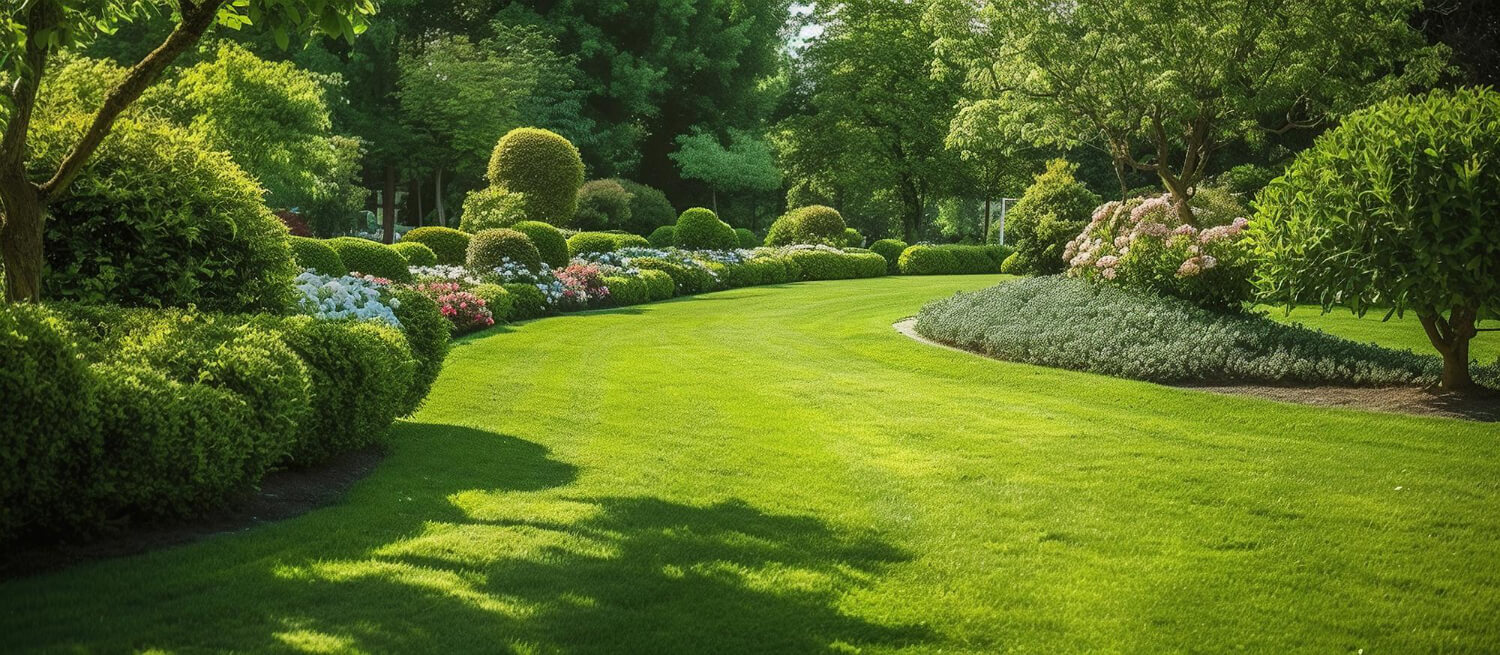
A thoughtful drainage system for your landscaping is just as important as protecting your home itself. If your lawn stays soggy for days after rain, that’s your garden telling you something’s off. Waterlogged soil smothers roots, invites plant disease, and makes root rot a real risk.
Young trees feel it too. Too much moisture sitting around their roots leads to slow growth, stressed foliage, or sudden leaf drop that can be hard to reverse. And it’s not just the plants. When soil stays stable and level, your paving and driveways stay even, too. That means fewer trip hazards and a yard that simply looks better for longer.
Getting residential drainage systems right in the garden is often the difference between a space that thrives and one that needs constant replanting and repair. Well-drained gardens hold up better over time, saving you money on new turf, replacement plants, and landscaping do-overs.
Drainage Options for Local Homes and Gardens
There’s no one-size-fits-all answer when it comes to choosing a drainage system for your landscaping or home. That’s actually a good thing, because the right solution for your property will be tailored to how your land actually behaves.
Typically, you have two choices:
French Drains and Their Uses
French drains are long trenches filled with gravel and a perforated pipe. They remove water from problem areas such as low-lying garden beds or along the base of retaining walls. In clay-rich Adelaide soils, they give water an easy escape, reducing the chance of water sitting near your house or garden.
Surface and Channel Drains
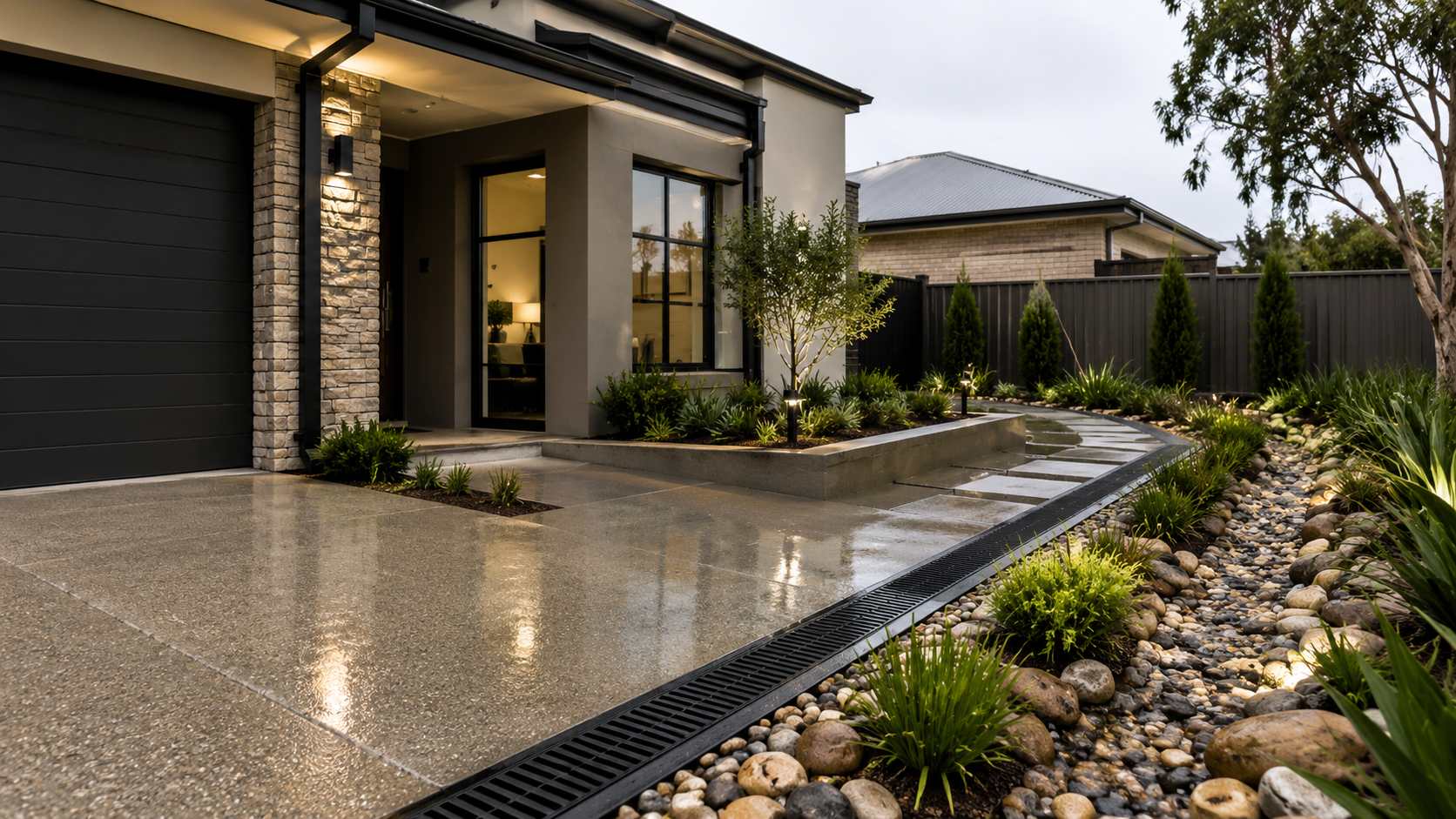
Surface and channel drains sit at ground level, stepping in before water gets a chance to pool. You’ll find them around patios, driveways, and pool areas, feeding into underground pipes or directing water out to the street. They’re a practical upgrade for both new and existing homes looking to improve their residential drainage systems without major disruption.
What Are the Warning Signs Your Drainage Is Failing?
Your property will usually tell you when something’s wrong with your home drainage system. You just need to know what to look for, but drainage problems rarely appear all at once. More often, they show up gradually, easy to brush off at first, but harder to ignore over time.
After the next rain event, take a slow walk around your yard and keep an eye out for:
- Standing water that’s still there hours after the rain has stopped
- A lawn that stays soggy or plants that brown off after a downpour
- Soil or mulch washing out of garden beds toward the house
- Water gathering at the house edge, near steps, or in low corners
- Cracks forming along the base of the home or in paved surfaces
Why Invest in A Professional Drainage Design?
A quick fix or an off-the-shelf drain might hold things together for a week or two, but it won’t address what’s actually happening beneath the surface. Lasting results come from a proper site assessment. It looks at how your block sits, how your soil behaves, and where water is naturally moving across your yard.
When you bring in experienced professionals, you get a drainage system for your landscaping and home that’s built around your property, not a generic solution. That means the problem gets solved the first time properly, rather than coming back to greet you every wet season with a bigger repair bill attached.
Done right from the start, a well-designed drainage setup keeps your home stable, garden healthy, and ongoing maintenance genuinely manageable. It’s the kind of investment that pays for itself over time.
Look After Your Home and Yard
Properly designed residential drainage systems protect your home’s structure, garden, and the long-term value of your property. In Adelaide, where soil movement and shifting seasons are part of life, drainage isn’t something you can afford to put off. The right planning and installation keep you ahead of damage that’s entirely preventable.
At Leeman Earthworks, we specialise in residential drainage, retaining walls, excavation, and landscaping across Adelaide. We understand your property before recommending a solution, so what we install actually works for your specific site and conditions.
Ready to sort your drainage once and for all? Call 0483 905 611 or contact us online now to get started!