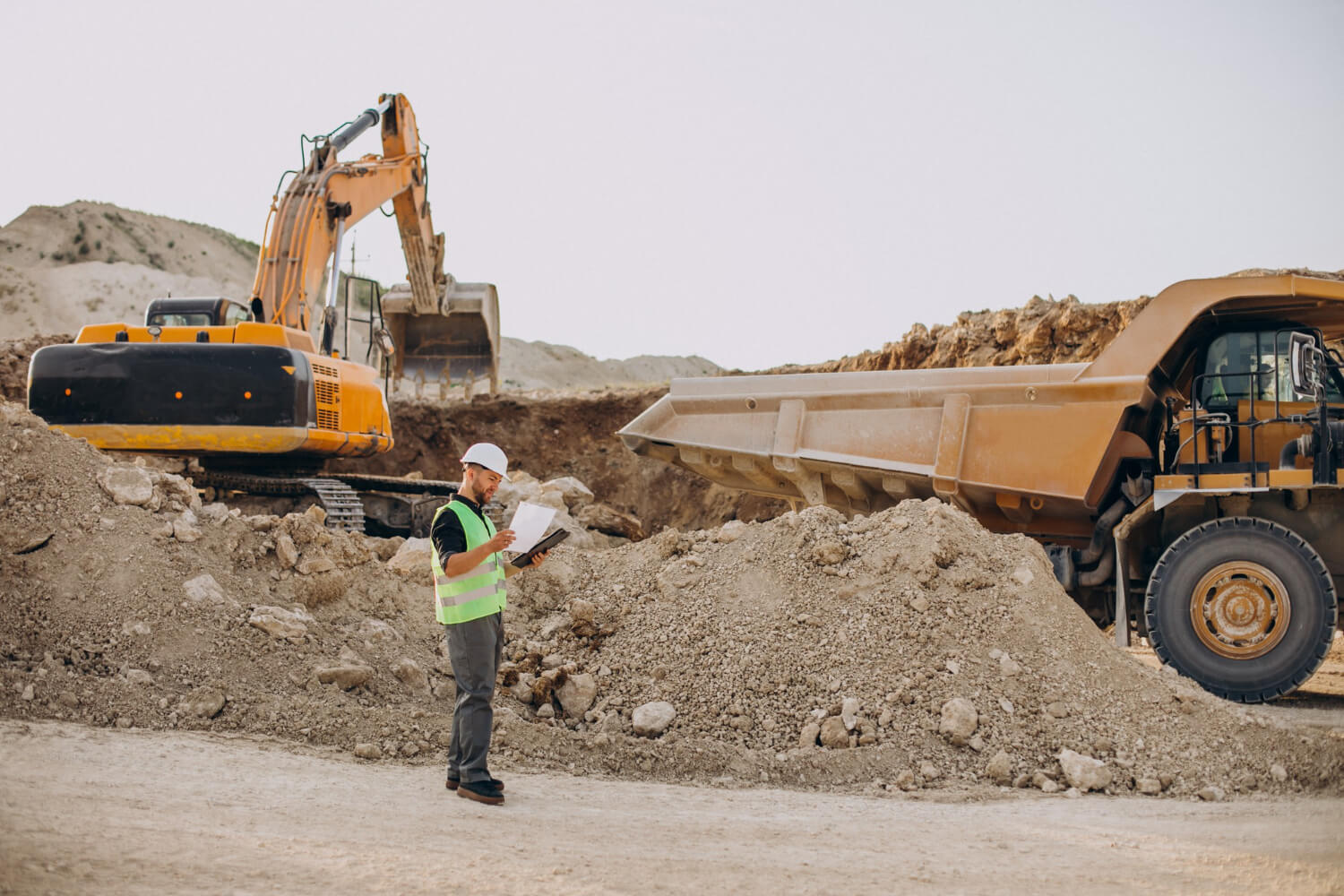
HSE compliance is at the heart of maintaining safe, responsible civil construction sites across Australia. It covers how people manage health, safety, and environmental risks before, during, and after site work.
Civil works carry real risks, with workers using heavy plants, moving soil, managing traffic, working near excavations, and handling changing ground conditions. It’s no surprise that in 2024, the construction industry recorded the third-highest number of fatalities (37 fatalities or 20%) of the total.
Many businesses think compliance means paperwork. However, real compliance looks different. It shows in your daily planning, clear communication, safe systems, trained workers, clean documentation, and active environmental controls.
Whether you are a contractor or project manager, knowing how HSE compliance works in Australia helps you reduce delays, prevent harm, and support better project outcomes.
What HSE Compliance Actually Means in Australia
In Australia, HSE compliance covers health, safety, and environmental duties. It includes WHS obligations, site risk controls, environmental management, worker training, and correct reporting.
The Work Health and Safety Act and state-based WHS regulations guide safety duties across Australian civil construction sites. However, environmental duties sit under state environment protection laws and local council requirements.
HSE compliance means every contractor needs to manage risk in real time. This can be particularly challenging as site conditions and weather change, work areas shift, and labourers come and go. However, your compliance needs active supervision, current documents, and clear records.
Key HSE Responsibilities on Civil Construction Sites
On Australian civil construction sites, the principal contractor usually carries key duties for site safety planning and trade coordination. This includes site rules, traffic control, emergency plans, and clear zones for the plant, workers, and the public.
Each worker needs a site induction before work starts. High-risk work also requires the right licence, training, and supervision. Safe Work Method Statements, known as SWMS, also need to match the task and the live site risks.
Daily HSE compliance also includes plant checks, personal protective equipment, trench safety, service location, exclusion zones, and first-aid access. These controls should be visible, clear, and used by every trade on site.
Environmental Obligations on Civil Sites
Environmental controls form a major part of HSE compliance in Australia. Civil projects often disturb soil, move materials, reshape land, and change how water flows across a site. Poor control can cause sediment run-off, blocked drains, polluted waterways, and damage to nearby land.
On Australian civil construction sites, contractors need to manage soil erosion, stormwater, dust, waste, chemicals, and contaminated soil. Earthworks and excavation can expose unstable ground or old materials that need careful handling.
Sediment fences, stabilised site exits, stockpile protection, drainage controls, spill kits, and waste separation all support better site management. These controls also need maintenance. A sediment fence that has fallen over will not control anything.
If you are taking up some civil work, you should look for contractors who treat environmental management as part of the work, not as an afterthought. Remember, lack of environmental controls can lead to fines, rework, complaints, and project delays.
HSE Compliance in Commercial Landscaping
HSE compliance also applies to commercial landscaping because it often overlaps with civil construction. Commercial landscaping can include earthmoving, drainage, retaining walls, soil preparation, irrigation, paving, kerbing, and plant installation.
These tasks bring safety risks. Workers may operate machinery, lift heavy materials, work near trenches, manage sharp tools, or move through active construction zones. Chemical use, fertilisers, herbicides, dust, and vegetation removal also need proper controls.
Effective HSE compliance helps protect workers and the completed landscape. Poor drainage, unsafe retaining work, soil loss, and damaged planting can affect the long-term value of your project.
Leeman Earthworks understands that landscaping work needs to fit within the broader site safety plan. Good coordination helps your civil and landscaping teams complete work safely and cleanly.
Common HSE Compliance Failures on Civil Sites
Many failures on Australian civil construction sites come from poor follow-through. For example, a safe work method statement may exist, but it might not reflect the actual work area, ground conditions, machinery, or task sequence.
Some of the other issues include:
- Weak inductions. Your workers need to know site-specific hazards, access points, emergency contacts, traffic routes, and exclusion zones before they start.
- Subcontractor management can also break down on busy sites. Each trade may bring its own risks, so the principal contractor needs clear coordination.
- Environmental failures are common, too. Sediment run-off, poor waste handling, chemical spills, and unmanaged stockpiles can create serious issues.
- Record-keeping matters as well. Without clear inspection notes, toolbox talk records, plant checks, and reporting, your HSE compliance becomes hard to prove.
Signs of Genuine HSE Compliance on a Civil Site
You can see genuine HSE compliance on a civil site through clear, visible actions that go beyond paperwork. These practices show that safety and environmental standards are actively managed day-to-day. Some of these signs include:
- Workers wear the correct PPE
- Site signage is clear, and exclusion zones are marked
- Site access is controlled, and plant/equipment is well maintained
- Documents are up-to-date and available on-site
- Toolbox talks and safety briefings happen regularly
- Supervisors actively check work areas before tasks begin
- Workers know who to speak to about hazards
- Environmental controls are maintained throughout the project
- Drains are protected, stockpiles are managed, and waste areas are organised
Why Choosing an HSE-Compliant Contractor Matters
Choosing a contractor with strong HSE compliance in commercial landscaping and civil works helps reduce project risk. It gives clients, builders, and project managers more confidence that the work will meet safety and environmental duties.
Good compliance also means better quality. A well-managed site usually has clearer communication, better sequencing, cleaner work areas, and fewer avoidable delays. So, before you engage a contractor, ask about safety systems, SWMS, inductions, environmental controls, licences, and reporting.
Final Thoughts: HSE Compliance Shows How a Contractor Works
HSE compliance is visible in daily site behaviour. It appears in planning, supervision, documentation, worker training, environmental controls, and communication.
Across Australian civil construction sites, robust compliance protects workers, clients, the public, and the surrounding environment. It also translates into smoother project delivery.
For civil construction and commercial landscaping, choose a contractor that treats HSE as part of every task. Leeman Earthworks takes that responsibility seriously.
If you are planning a civil project, let’s talk!